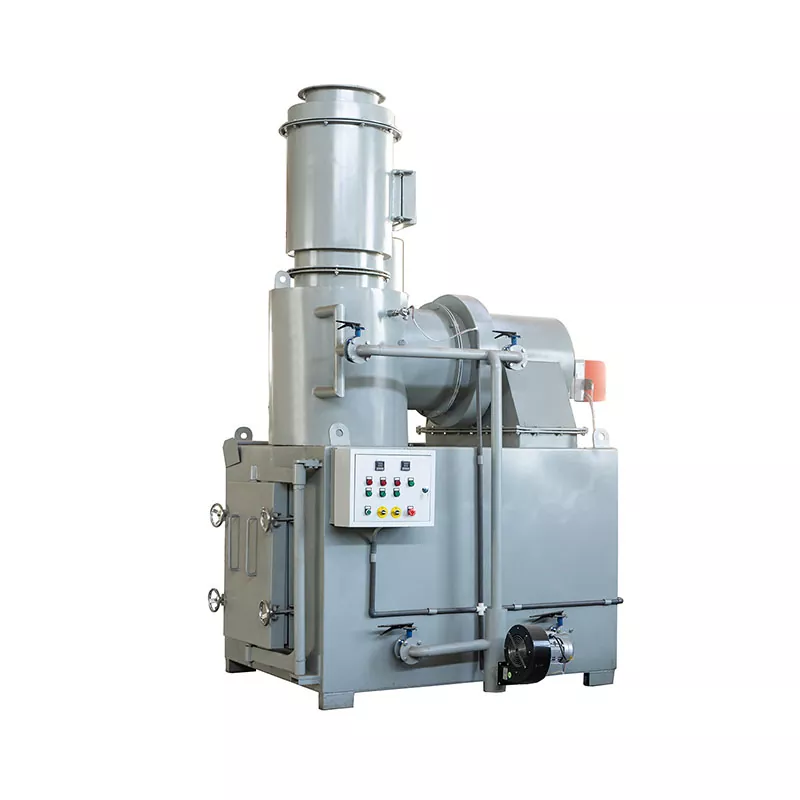
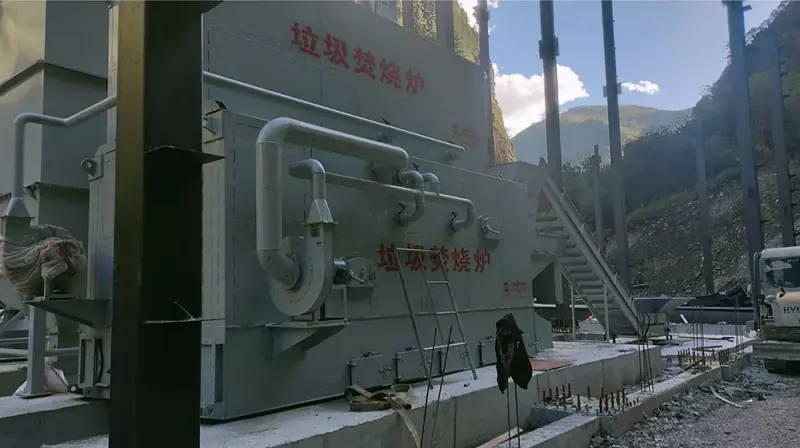
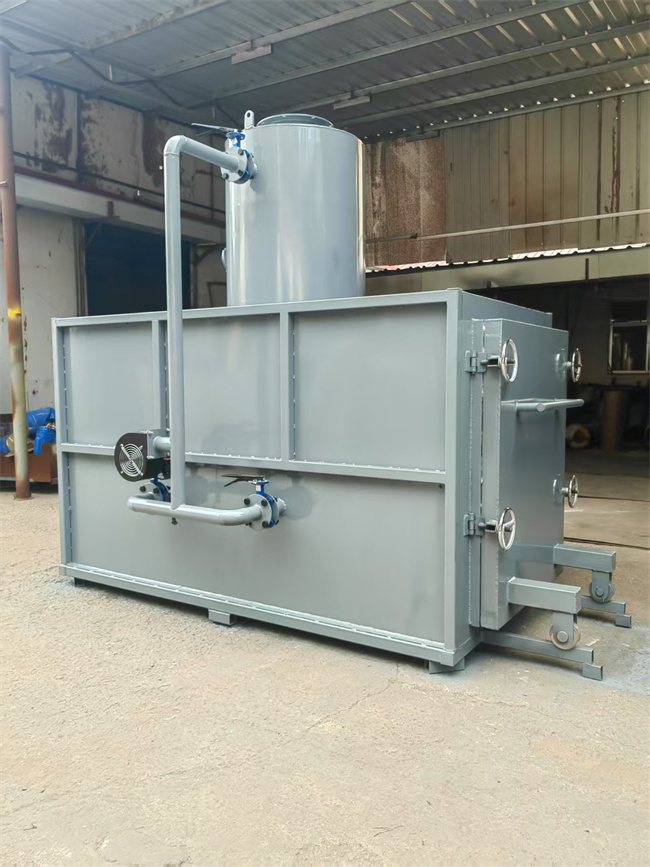
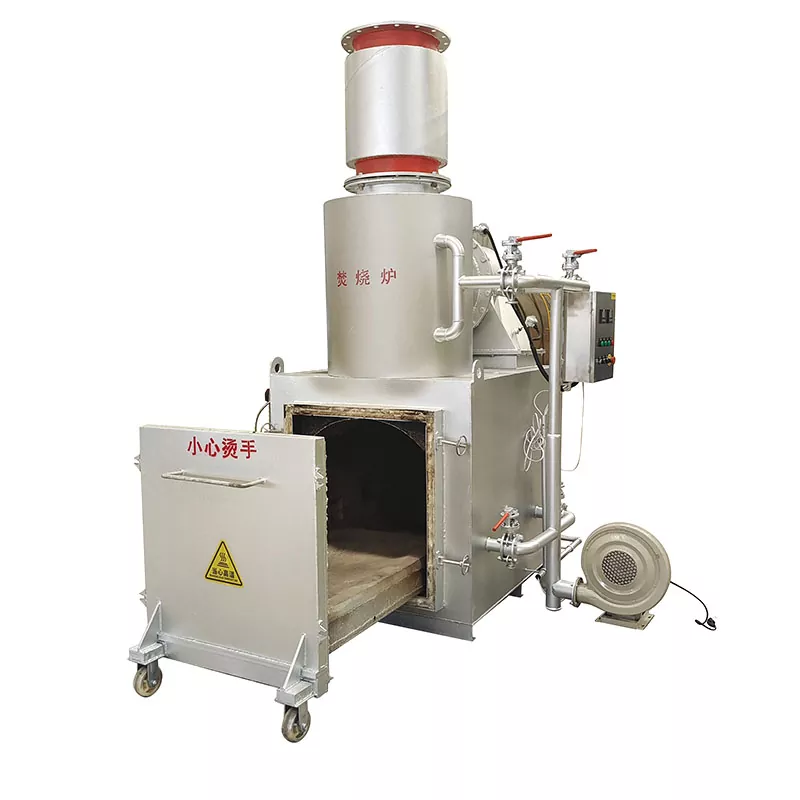
The disposal of animal carcasses requires equipment that ensures complete combustion, meets environmental regulations, and simplifies operation. The 50kg Pet Carcass Incinerator from Hongsheng delivers high‑temperature incineration (up to 1200°C) with intelligent PLC control, multi‑stage emission treatment, and durable construction. Designed for pet funeral homes, veterinary clinics, farms, zoos, and laboratories, this incinerator processes up to 50kg per batch while complying with GB18484‑2020 and HJ/T 298‑2007 standards. This article explores its combustion efficiency, emission control, technical specifications, and the manufacturing expertise behind the Hongsheng brand.
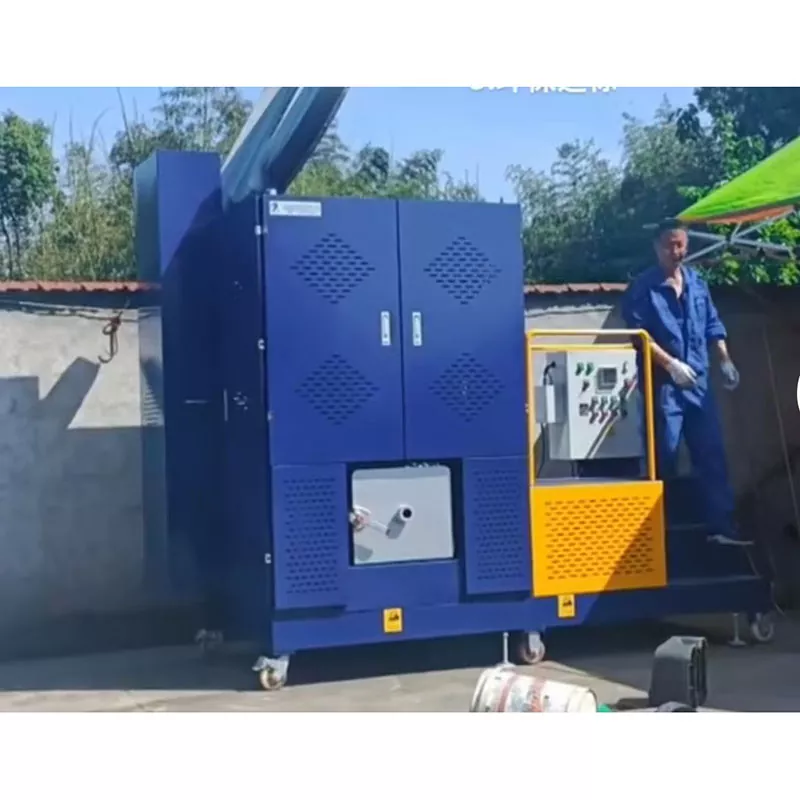
A mobile domestic waste incinerator is a self-contained thermal treatment system integrated onto a transportable platform—such as a trailer, skid, or container—that can be rapidly deployed to different locations for decentralized waste disposal. These units offer irreplaceable value in remote communities, disaster relief operations, military bases, island resorts, and temporary settlements where fixed infrastructure is unavailable or impractical.
Selecting the wrong medical waste treatment equipment is not just a budget mistake—it is a public health risk. Inadequate sterilization, improper waste segregation, or non-compliant emissions can lead to pathogen release, regulatory fines, and irreversible reputational damage. This guide provides a field-tested framework for equipment selection, covering technology comparisons, critical specifications, and real-world troubleshooting.
Medical waste management has become one of the most important environmental and public health concerns worldwide. Hospitals, clinics, laboratories, and healthcare centers generate hazardous waste every day, including infectious materials, sharps, pharmaceuticals, and contaminated plastics. A 100Kg Medical Waste Incinerator is designed to safely destroy medical waste while reducing environmental risks and improving operational efficiency.
Animal carcass treatment is not simply about “making remains disappear.” Effective equipment must balance biosecurity, environmental compliance, operating costs, and ease of use. Beijing Hongsheng Hangkai Environmental Protection Technology Co., Ltd. has accumulated years of engineering experience in household waste, industrial waste, medical waste, and animal carcass treatment. This article explains how to select the right carcass treatment equipment, which specifications must be strictly matched, what site conditions are required before installation, and what routine checks keep a system running safely over the long term.
Animal carcass management is one of the most challenging and sensitive aspects of modern livestock operations. Improper disposal leads to environmental contamination, disease spread, regulatory penalties, and reputational damage. This article explores how specialized animal carcass treatment equipment addresses these pain points, detailing types of solutions, operational benefits, cost considerations, compliance measures, and best practices. Practical guidance and answers to common questions help livestock managers, farm owners, and sustainability planners make informed decisions for responsible carcass handling.
We use cookies to offer you a better browsing experience, analyze site traffic and personalize content. By using this site, you agree to our use of cookies.Privacy Policy