Beijing Hongsheng Hangkai Environmental Protection Technology Co., Ltd.
News

140°C, 0.3 MPa, 30 Minutes: Is Your Animal Carcass Treatment Equipment Truly Safe?

2026-04-29 0 Leave me a message

Animal carcass treatment is not simply about “making remains disappear.” Effective equipment must balance biosecurity, environmental compliance, operating costs, and ease of use. Beijing Hongsheng Hangkai Environmental Protection Technology Co., Ltd. has accumulated years of engineering experience in household waste, industrial waste, medical waste, and animal carcass treatment. This article explains how to select the right carcass treatment equipment, which specifications must be strictly matched, what site conditions are required before installation, and what routine checks keep a system running safely over the long term.

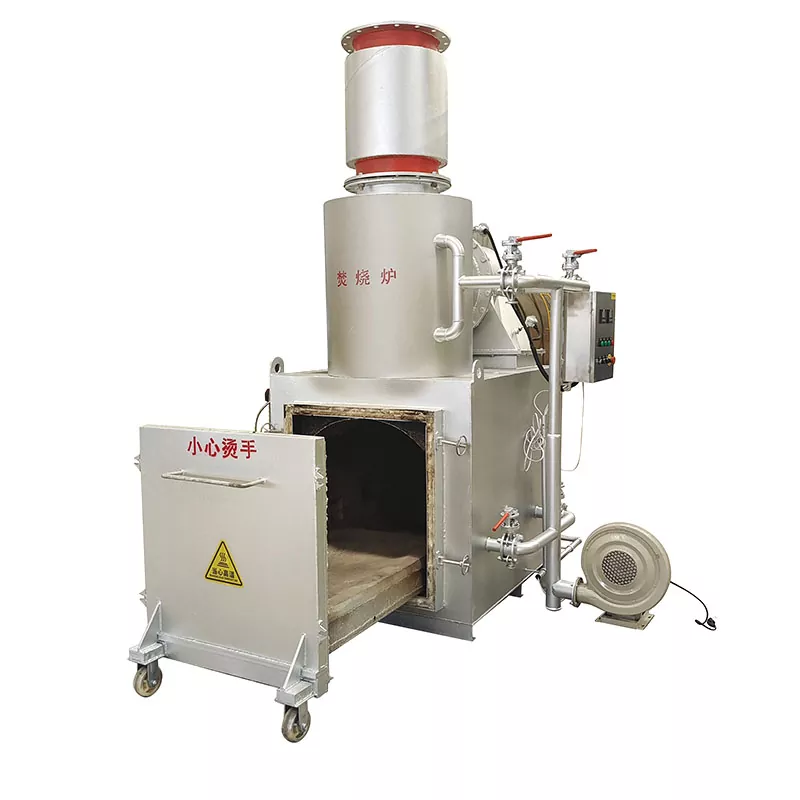
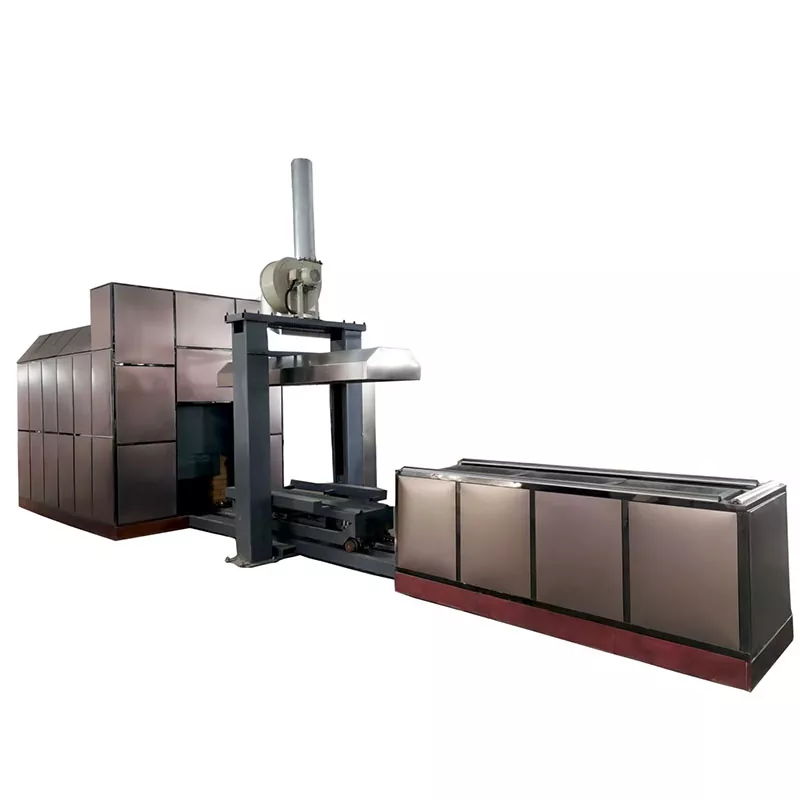
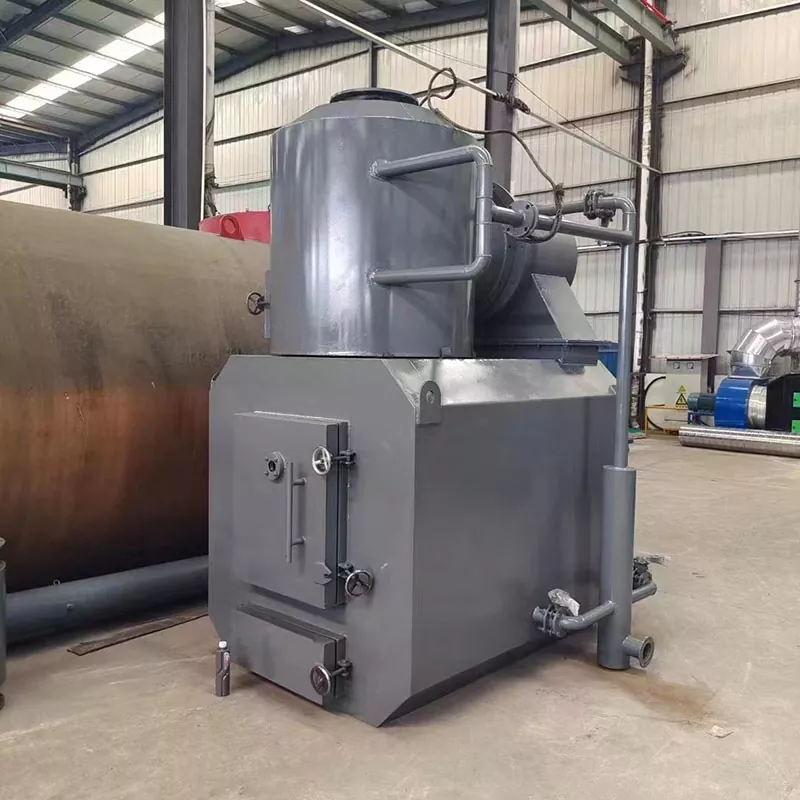
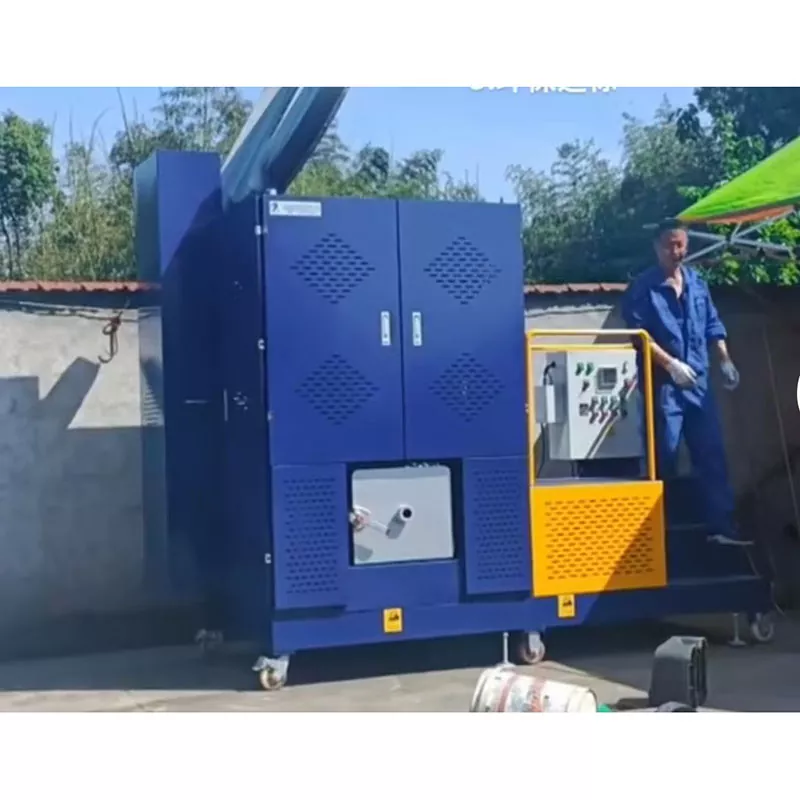
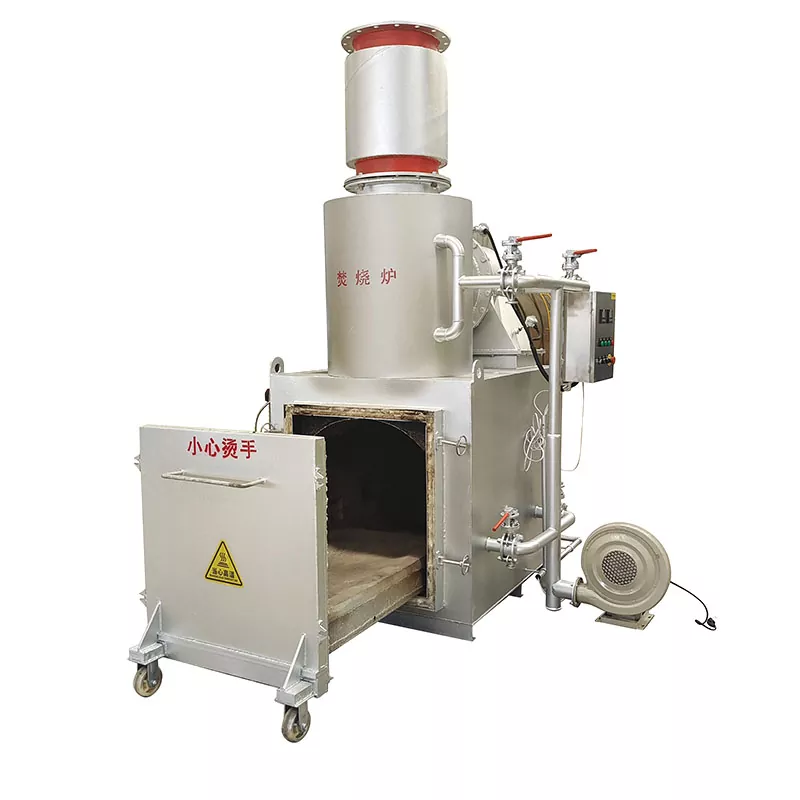
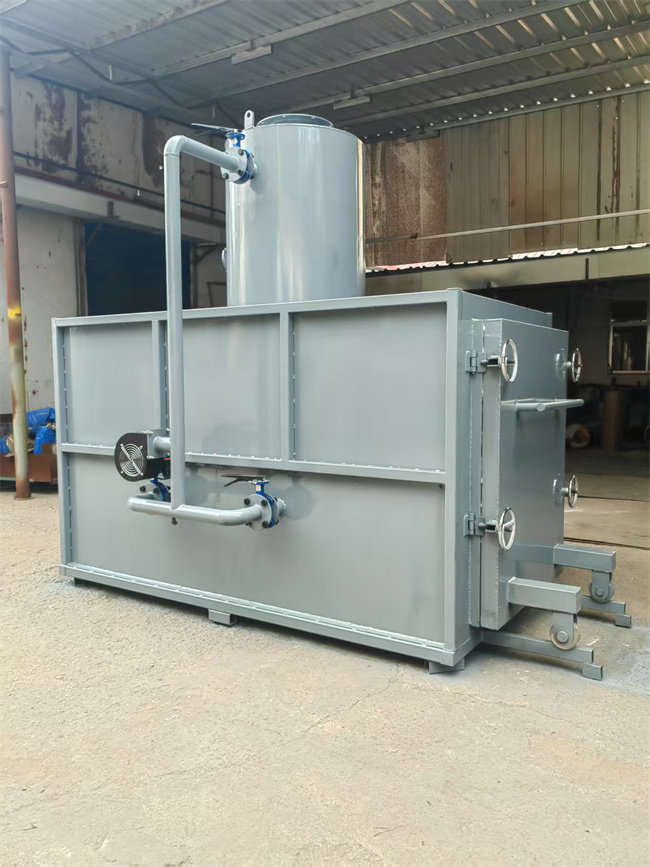
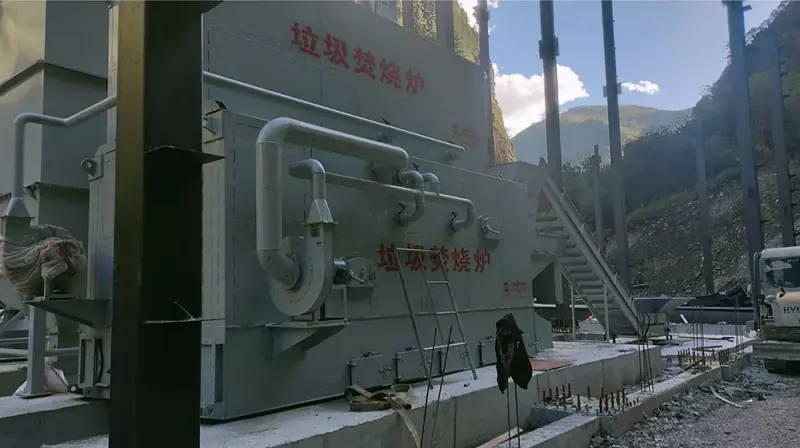
animal carcass treatment equipment

Why Animal Carcass Treatment Equipment Matters

Properly designed animal carcass treatment equipment is a complete system that integrates crushing, high-temperature high-pressure sterilization, drying, and fat separation. Its real value lies not just in disposing of carcasses, but in converting them into usable resources—industrial fat and meat-and-bone meal—while completely inactivating pathogens.

Impact on biosecurity and environmental compliance

Using the high-temperature high-pressure dry rendering method, equipment must achieve temperatures above 140°C, pressure above 0.3 MPa, maintained for at least 30 minutes to ensure inactivation of highly contagious pathogens such as African swine fever and foot-and-mouth disease. Well-configured systems also include exhaust gas treatment via condensation, alkali spray scrubbing, and activated carbon adsorption, meeting national standards such as GB 14554-93 for odor emissions. Choosing the wrong treatment path either leads to secondary pollution and regulatory action, or worse, becomes a vector for disease spread.

Typical applications in livestock and slaughterhouse settings

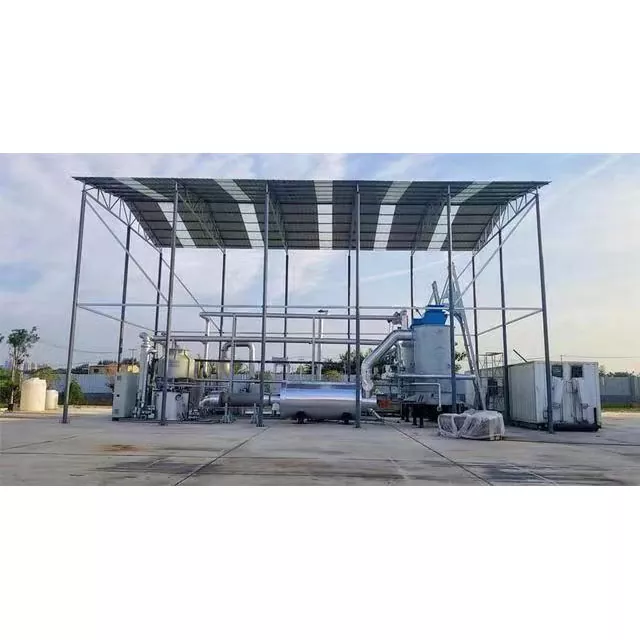
In large-scale farms, slaughterhouses, and carcass collection centers, equipment typically operates in batch mode: carcasses are crushed, then fed into a high-temperature high-pressure dry rendering vessel for sterilization and fat separation. The recovered fat becomes industrial raw material, while the dried bone-and-meal fraction serves as organic fertilizer base or biomass fuel. Hongsheng equipment has been installed in multiple regional centralized treatment centers across China, covering daily capacities from 2 to 20 metric tons.

Key Specifications of Animal Carcass Treatment Equipment

The reliability and performance of the equipment depend on structural design, material selection, heating and pressure control precision, and supporting tail-gas treatment systems. Claims of “good performance” are meaningless without hard specifications.

Process, materials, and sterilization parameters

The currently preferred high-temperature high-pressure dry rendering process (also called the dry rendering method) eliminates wastewater discharge, reduces energy consumption, and yields higher-value outputs compared to traditional wet rendering. The main vessel is constructed from Q345R pressure vessel steel , with internal anti-corrosion treatment and external insulation. Key parameters are shown below:


Parameter Hongsheng Typical Value Significance
Design pressure 0.6 – 0.8 MPa Ensures deep sterilization
Operating temperature 140 – 160°C Held for ≥30 minutes
Batch cycle time 4 – 6 hours Includes pressurization, sterilization, drying, discharge
Volume reduction rate ≥85% Compared to original carcass volume
Odor emission Meets GB 14554-93 Compliant for most regions

Material thickness, welding standards, and surface protection

The pressure vessel uses 12–16 mm thick Q345R plates . Longitudinal and circumferential welds undergo 100% radiographic inspection per TSG 21-2016 (Chinese pressure vessel safety code). The exterior is coated with high-temperature resistant anti-rust primer and topcoat; stainless steel cladding is optional in highly corrosive environments. The internal mixing shaft uses wear-resistant stainless steel , with multi-seal protection at bearing points against grease ingress.

Comparison of treatment processes

Not every project needs a large dry rendering vessel. Selection depends on daily throughput, end-product use, and budget.


Process Type Typical Capacity Advantages Limitations
High-temp high-pressure dry rendering 2 – 20 tons/day No wastewater, high-value output, thorough sterilization Higher initial investment
Wet hydrolysis + oil-water separation 1 – 5 tons/day Simple process, small footprint Produces wastewater requiring treatment
Incineration Small volumes for non-epidemic use Rapid volume reduction High energy use, complex exhaust treatment

Hongsheng primarily supplies the dry rendering route, with optional pre-crushing, exhaust treatment, and water recycling modules based on site conditions.

Installation and Operation Evaluation

Most operational problems arise not from defective equipment, but from inadequate site preparation or poor operating habits.

Pre-installation checks

The site requires a reinforced concrete foundation with load capacity at least 1.5 times the equipment’s fully loaded weight. Steam or electric heating connections, water supply, and drainage must be available. The most overlooked step is verifying power capacity : electric-heated models typically require 60–120 kW installed capacity, while steam-heated models need a boiler capable of supplying at least 0.5 tons/hour of steam. Hongsheng recommends that customers provide site photos and foundation drawings before delivery to avoid last-minute surprises.

Common risks: seal failure, pressure instability, odor backflow

In field operation, three issues occur most frequently:

  • Door seal aging: High-temperature high-pressure conditions typically require replacement every 12–18 months. High-temperature silicone or fluororubber seals last significantly longer.
  • Unstable pressure control: Usually caused by oversized steam control valves or improperly tuned control parameters, leading to temperature fluctuations beyond ±10°C and inconsistent sterilization.
  • Odor backflow: Insufficient slope in piping between condenser and alkaline scrubber, or undersized exhaust fans, can allow odors to escape through the feed opening.

Preventing these risks requires no complex technology—just weekly seal inspection, regular steam trap cleaning, and monthly pressure transmitter calibration . Hongsheng provides a detailed daily checklist with every delivered unit.

Regulatory and site acceptance requirements

In regions with strict disease control, equipment must comply with relevant technical specifications for animal carcass disposal (such as China’s 2017 Ministry of Agriculture and Rural Affairs guideline). Acceptance typically requires three consecutive full-load batch tests , with random samples taken per batch for microbial inactivation testing. Routine operation can only begin after third-party testing confirms compliance.

Equipment Quality and Manufacturing Capability

Whether a carcass treatment system will run reliably for years depends not only on the price quote but also on the manufacturer’s credentials, material traceability, and process quality control.

How to assess supplier capability

The first requirement is a pressure vessel manufacturing license (Class A2 or above) —a hard threshold. Second, request Q345R material test reports (MTRs) and welding procedure qualification records confirming matching filler metals and base metal.

Competent suppliers operate CNC plate rolling machines, automatic submerged arc welders, and radiographic inspection enclosures . Hongsheng maintains complete quality records from raw material incoming inspection to in-process welding checks and pressure testing. Each vessel carries a unique serial number for traceability.

Lead time and customization

For a standard 5-ton/day unit, typical lead time from order to factory testing is 45–60 working days . Special requirements—such as explosion-proof construction, fully automated remote control, or electric heating replacing steam—typically add 10–15 days for design and modification.

Exterior finishes can be customized to specified colors, and branding or technical labels can be added. The control system can use Siemens or a leading domestic PLC brand, with a touchscreen interface available in multiple languages.

Price vs. quality reference ranges

Prices vary significantly due to vessel thickness, heating type, automation level, and exhaust treatment configuration. The following is a general market reference:


Market Tier Approximate Range (USD per system) Typical Configuration Suitable For
Entry Level 8,000–8,000–15,000 Manual operation, carbon steel vessel, basic odor control Small farms, occasional use
Standard 18,000–18,000–28,000 Semi-auto, Q345R vessel, three-stage exhaust treatment Township collection points
Premium / Automated 32,000–32,000–50,000+ Full PLC auto, thicker clad vessel, remote monitoring Regional centralized centers
These are historical averages; final pricing depends on specific project requirements.

Selection Framework for Animal Carcass Treatment Equipment

A structured selection process prevents expensive mismatches and ensures the equipment meets operational needs without safety or compliance compromises.

Step-by-step selection process

Step 1 – Define required daily throughput. Estimate based on livestock inventory or historical mortality rates. Add a 20% margin for peak periods.

Step 2 – Determine energy source. If a steam network is available on site, choose steam heating for lower operating costs. If not, select electric heating.

Step 3 – Confirm emissions requirements. In environmentally sensitive areas, include deep-treatment units such as regenerated activated carbon or UV oxidation.

Step 4 – Calculate total operating cost. Electric-heated units consume approximately 250–350 kWh per ton processed. Steam-heated units use roughly 0.4–0.6 tons of steam per ton processed. Add labor, maintenance, and periodic seal replacement.

Balancing performance, compliance, and budget

A compliant carcass treatment system is a significant upfront investment. However, considering epidemic risks, potential environmental penalties, and long-term operating costs, choosing equipment priced far below market averages often carries more hidden risk. For most farms and slaughterhouses, a standard configuration with steam heating and semi-automatic control represents a practical, cost-recoverable starting point.

Key Takeaways

  • The core selection criteria for carcass treatment equipment are: sterilization parameters meet requirements, emissions comply with local regulations, and operation is continuous without unscheduled downtime.
  • Before installation, foundation, utility connections, and drainage must be confirmed. Post-installation acceptance requires three consecutive test batches.
  • Supplier credentials are non-negotiable: pressure vessel manufacturing license, material test reports, and welding procedure qualifications must all be available.
  • Price, configuration, and suitability vary widely. Match equipment tier to actual daily throughput and energy availability.

Frequently Asked Questions

Which is better: dry rendering or wet rendering?
Dry rendering produces no wastewater and generates higher-value end products, making it suitable for medium-to-large centralized facilities. Wet rendering has lower upfront cost but generates wastewater, making it an option for small or temporary projects.

How many operators are required?
A standard system requires one to two operators for feeding, monitoring, and discharge. Fully automated systems can be managed on a part-time basis by existing personnel.

How do you verify sterilization effectiveness?
Third-party on-site testing involves sampling for total bacterial counts and specific pathogens. A simpler field method uses biological indicators (Geobacillus stearothermophilus spores) placed inside the chamber; no growth after incubation confirms sterilization.

What is the expected lifespan?
With proper operation and regular maintenance, the main pressure vessel has a design life of 10–15 years . Seals, bearings, and wear parts are replaced on a schedule as needed.

Related News
Leave me a message
X
We use cookies to offer you a better browsing experience, analyze site traffic and personalize content. By using this site, you agree to our use of cookies. Privacy Policy
Reject Accept