Beijing Hongsheng Hangkai Environmental Protection Technology Co., Ltd.
News

How to Choose a Mobile Domestic Waste Incinerator for Remote Waste Management?

2026-08-04 0 Leave me a message

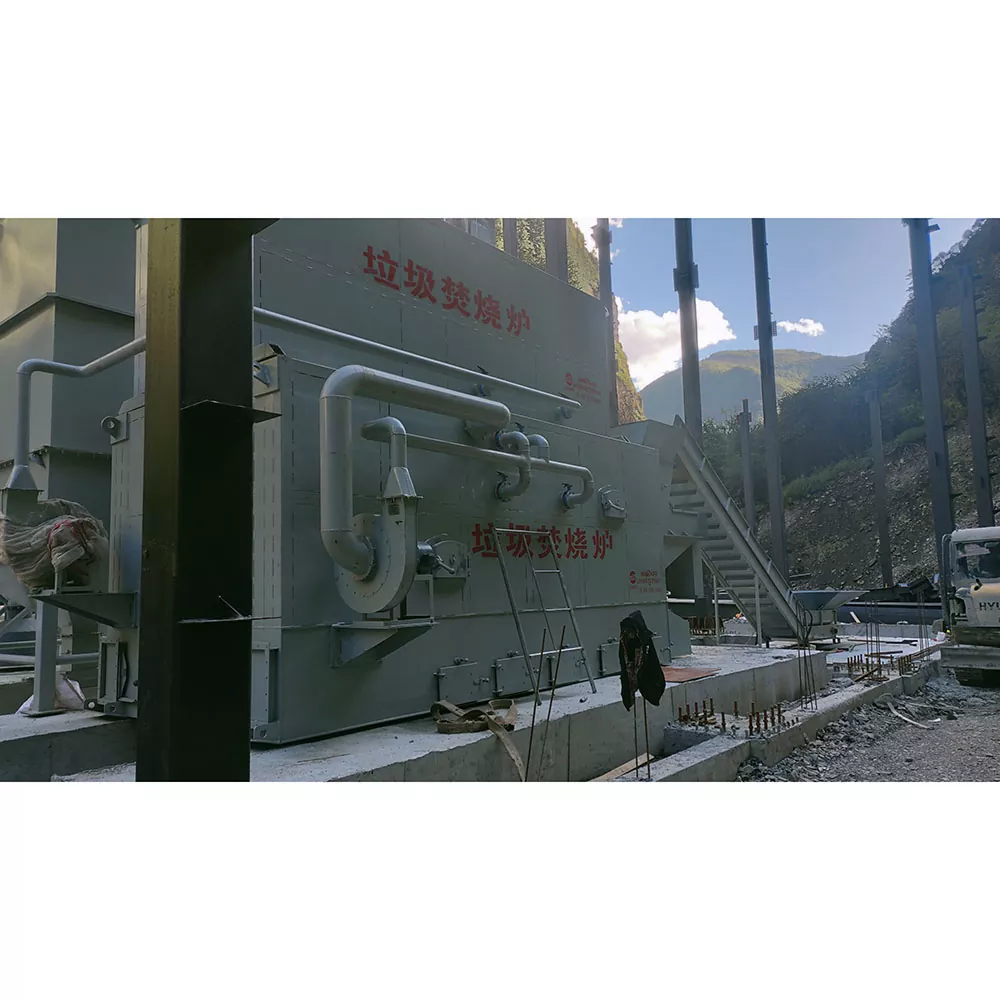
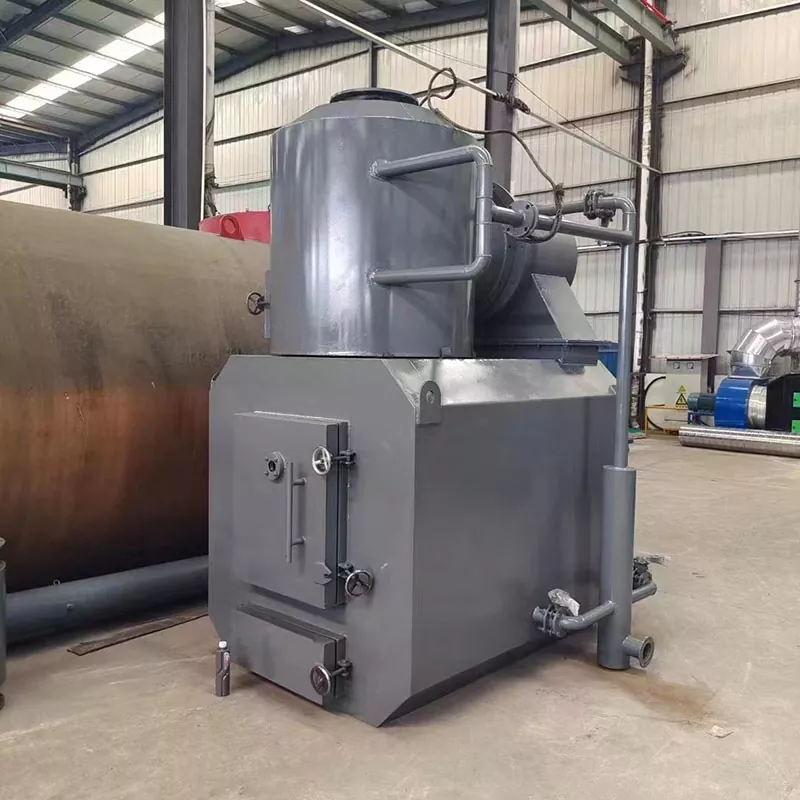
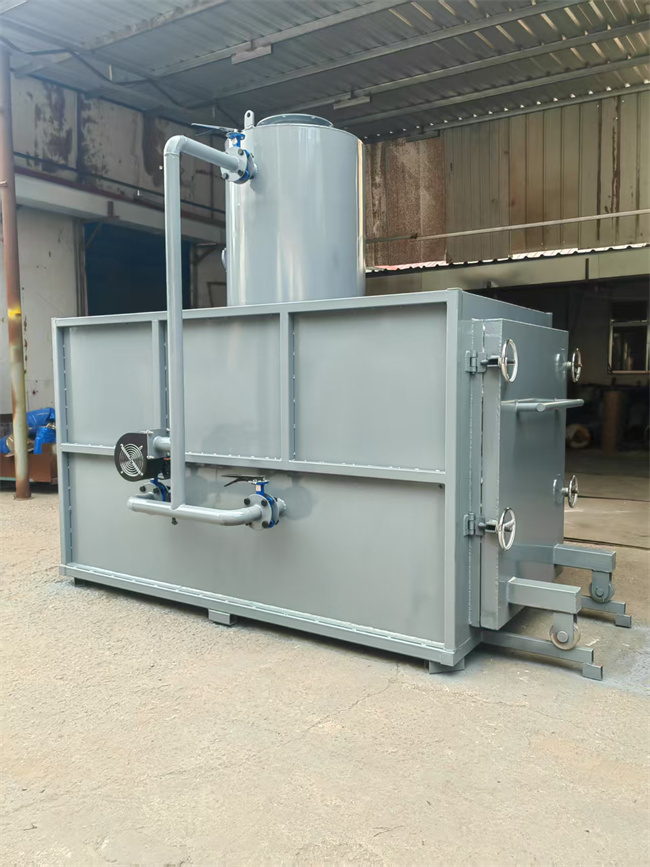
A mobile domestic waste incinerator is a self-contained thermal treatment system integrated onto a transportable platform—such as a trailer, skid, or container—that can be rapidly deployed to different locations for decentralized waste disposal. These units offer irreplaceable value in remote communities, disaster relief operations, military bases, island resorts, and temporary settlements where fixed infrastructure is unavailable or impractical.


1. Technical Principles and Key Performance Indicators

The fundamental principle of a mobile incinerator is identical to that of a stationary unit: waste is oxidized at high temperatures, converting organic matter into ash, flue gas, and recoverable heat. The key difference lies in the spatial constraint—all components must fit within a compact footprint without compromising performance.

Critical Operating Parameters:

Parameter Typical Requirement Explanation
Primary chamber temperature 600–850°C Determines the efficiency of waste decomposition
Secondary chamber temperature ≥ 850°C (recommended ≥ 1,200°F) Ensures complete breakdown of tars and organic pollutants; critical for emissions compliance
Flue gas residence time ≥ 2 seconds Allows sufficient time for thermal destruction of dioxins, furans, and VOCs
Throughput capacity 30 – 1,000 kg/hour Varies by model; selection must match actual daily waste generation

Modern mobile units typically feature a dual-chamber design:

  • Primary combustion chamber – where bulk waste is ignited and partially oxidized.

  • Secondary combustion chamber – where volatile gases and particulates from the primary chamber are subjected to additional high-temperature oxidation, drastically reducing harmful emissions.

Some advanced models also incorporate waste heat recovery systems to produce hot water or space heating, improving overall energy efficiency.


2. Selection Criteria

Choosing the right equipment requires balancing technical specifications against operational constraints. Consider the following factors:

2.1 Processing Capacity

Estimate your average daily waste volume and select a unit with a nominal capacity slightly above that figure. A 50 kg/hour unit is suitable for small camps or village clusters, while large-scale emergency operations may require 200–500 kg/hour systems.

2.2 Fuel Type and Energy Consumption

Most mobile incinerators run on diesel or electricity to power the burner and control systems. Evaluate on-site fuel availability and storage capacity. Typical units require a 220V/380V power supply for auxiliary systems (fans, controls, feeders) and have a cold-start ramp-up time of approximately 30 minutes.

2.3 Emission Control Systems

Compliance with local environmental regulations hinges on the unit's emission treatment capabilities. Key questions to ask:

Does it include a secondary combustion chamber?
Is it equipped with flue gas cleaning devices (e.g., wet scrubbers, bag filters, activated carbon injection)?
Does the manufacturer provide certified emissions test data conforming to EPA, EU, or local standards?

2.4 Mobility and Setup Time

True mobile units are pre-assembled on steel skids or road-towable trailers. Arrival-to-operation time should be 10–30 minutes. Evaluate:

Overall dimensions and weight—can it be transported via standard flatbed truck or helicopter sling?
Are utilities (fuel lines, electrical connections, exhaust stack) designed for quick "plug-and-play" hookup?


3. Operational Best Practices

Safe and compliant operation depends on strict adherence to standard operating procedures. The following practices synthesize field experience and regulatory guidelines:

3.1 Site Selection

  • Maintain a minimum distance of 90 meters (300 feet) from residences, schools, hospitals, and other sensitive receptors.

  • Keep at least 3 meters (10 feet) clearance from combustible materials such as dry grass, stored fuel, or waste piles.

  • Avoid flood-prone areas and locations within 100 meters of water bodies (rivers, lakes, or wells).

3.2 Start-up and Feeding Procedure

  1. Pre-start inspection – check burners, thermocouples, refractory lining, and ash removal system.

  2. Ignition – light the primary burner using clean fuel; establish a bed of hot embers using dry wood or low-moisture starter waste.

  3. Gradual feeding – introduce waste in small, controlled batches; avoid overloading, which causes temperature drops and incomplete combustion.

  4. Monitor continuously – maintain secondary chamber temperature ≥ 850°C; log readings at intervals specified by your permit.

  5. Shutdown – stop feeding waste at least 30 minutes before planned shutdown; allow the unit to burn down completely and cool gradually.

3.3 Safety Measures

  • Keep fire extinguishers on-site: at least one 10-A rated water extinguisher and one 2A-10BC dry-chemical unit.

    • Erect a security fence around the incinerator, maintaining a 1.5‑meter (5‑foot) clear zone.

    • Perform routine cleaning of the combustion chambers, heat exchangers, and flue stack to prevent creosote buildup and corrosion (recommended monthly).

    3.4 Ash and Residue Management

    Bottom ash and fly ash may contain heavy metals or unburned carbon. Conduct chemical characterization testing; if hazardous thresholds are exceeded, dispose of ash at a licensed hazardous waste landfill or treatment facility.


    4. Regulatory Compliance and Permitting

    Mobile incinerators occupy a complex regulatory space because they cross jurisdictional boundaries. The following general requirements apply in most regions (always check local laws):

    4.1 Permits and Approvals

    Most authorities require an operating permit or registration certificate before deployment. Application dossiers typically include:

    Equipment specifications, design drawings, and performance curves.
    Description of waste types and maximum throughput.
    Site plan showing the incinerator location, neighboring land uses, and sensitive receptors within a 1.5‑km radius.
    Emissions monitoring and reporting plan.

    4.2 Emissions Monitoring and Reporting

    Daily: Log combustion chamber temperatures (primary and secondary).
    Periodic stack testing: If processing chlorinated plastics (PVC), lead-acid battery residues, or mercury-containing wastes, conduct stack emissions testing within the first six months of operation.
    Record retention: Maintain all operational logs, maintenance records, and test results for a minimum of 5 years for regulatory inspection.

    4.3 Insurance and Liability

    Many jurisdictions require operators to carry liability insurance—typically no less than USD 1 million for bodily injury and USD 500,000 for property damage, per occurrence.

    4.4 Operating Hours and Weather Restrictions

    Local rules often limit operating hours (e.g., 8:00 AM – 4:00 PM, weekdays only) and prohibit firing during:

    Air stagnation alerts (poor dispersion conditions).
    High fire-danger weather (red-flag warnings).
    Nighttime hours (to avoid nuisance complaints).


    5. Suitable Applications and Critical Warnings

    Ideal Use Cases

    Post-disaster response – earthquake, flood, or hurricane zones requiring rapid medical/infectious waste disposal.
    Remote facilities – mining camps, military forward operating bases, Antarctic research stations.
    Livestock disease outbreaks – safe incineration of carcasses to prevent spread of epidemics (e.g., avian influenza, African swine fever).
    Small islands and tourist resorts – where transport to off-island landfills is expensive or unavailable.

    Key Warnings and Limitations

    Risk Area Recommendation
    Toxic emissions Never operate below 850°C in the secondary chamber; this creates dioxins and PAHs. Install continuous temperature monitors with audible alarms.
    Unacceptable waste Do NOT incinerate: glass, metal scrap, sealed containers (can explode), wet sludge (>50% moisture), or hazardous chemical waste unless the unit is specifically designed for it.
    PVC and chlorinated plastics These increase hydrogen chloride and dioxin formation—pre-treat or reduce their proportion in the feed stream.
    Fly ash handling Collect and store fly ash in sealed containers; treat as potentially hazardous until proven otherwise by lab analysis.


    A mobile domestic waste incinerator is a powerful and flexible tool—effective when selected correctly, operated professionally, and monitored rigorously, but harmful when mismanaged. Before acquisition or deployment:

    1. Characterize your waste stream thoroughly.

    2. Match equipment capacity to your actual demand.

    3. Obtain all necessary permits and engage with your environmental regulator early.

    4. Train operators on both normal operation and emergency procedures.

    5. Maintain impeccable logs – this is your primary defense in any compliance audit.

    With thoughtful planning and disciplined operation, mobile incinerators provide a safe, reliable, and environmentally sound solution for decentralized waste management in challenging environments.

    Related News
    Leave me a message
    X
    We use cookies to offer you a better browsing experience, analyze site traffic and personalize content. By using this site, you agree to our use of cookies.Privacy Policy
    RejectAccept