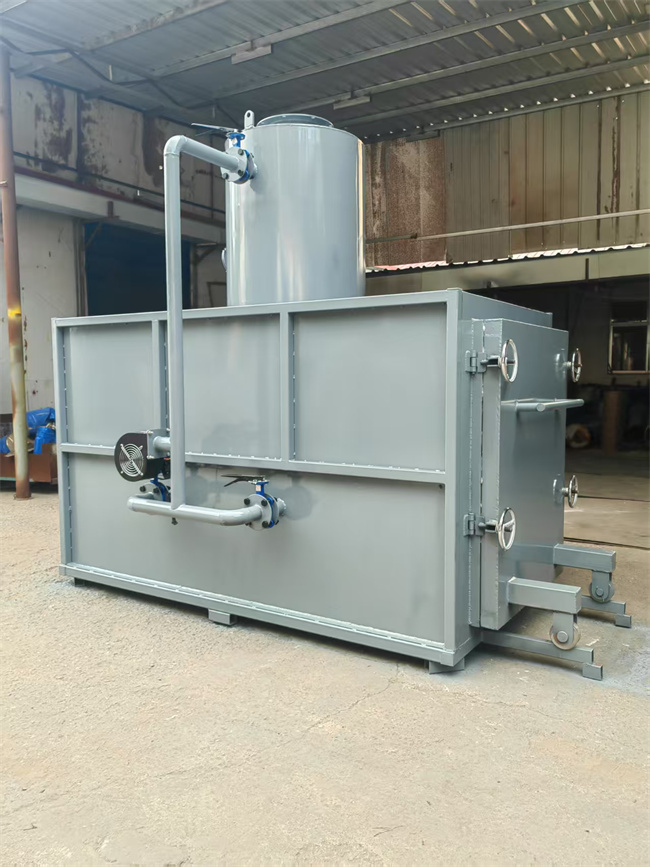
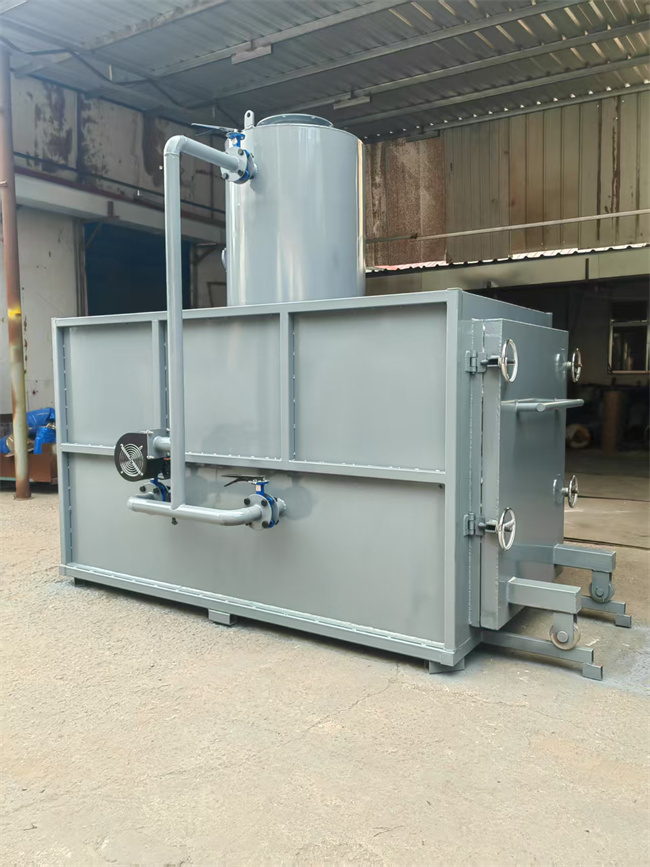
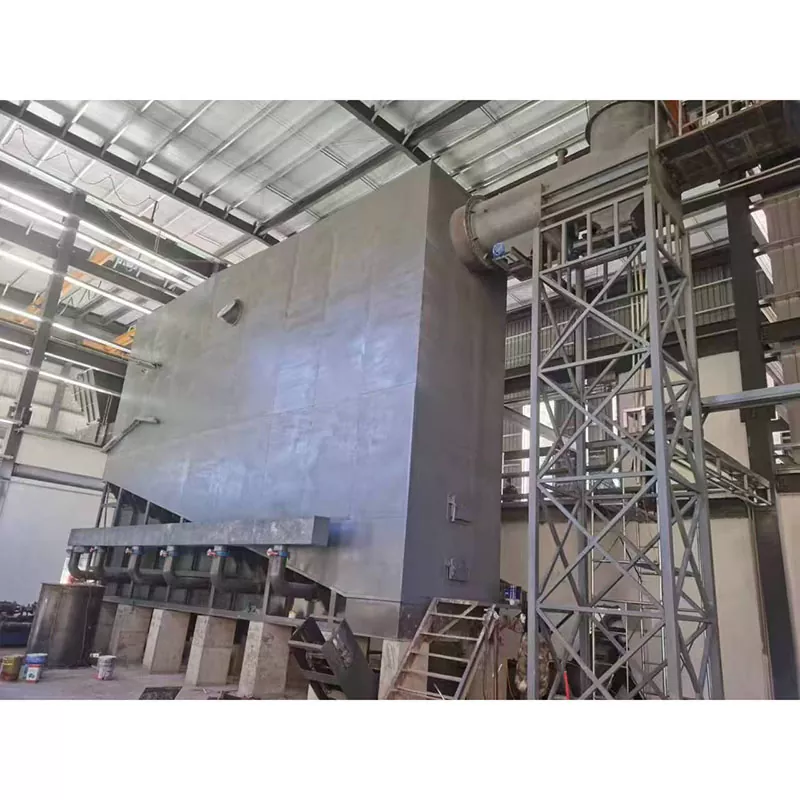
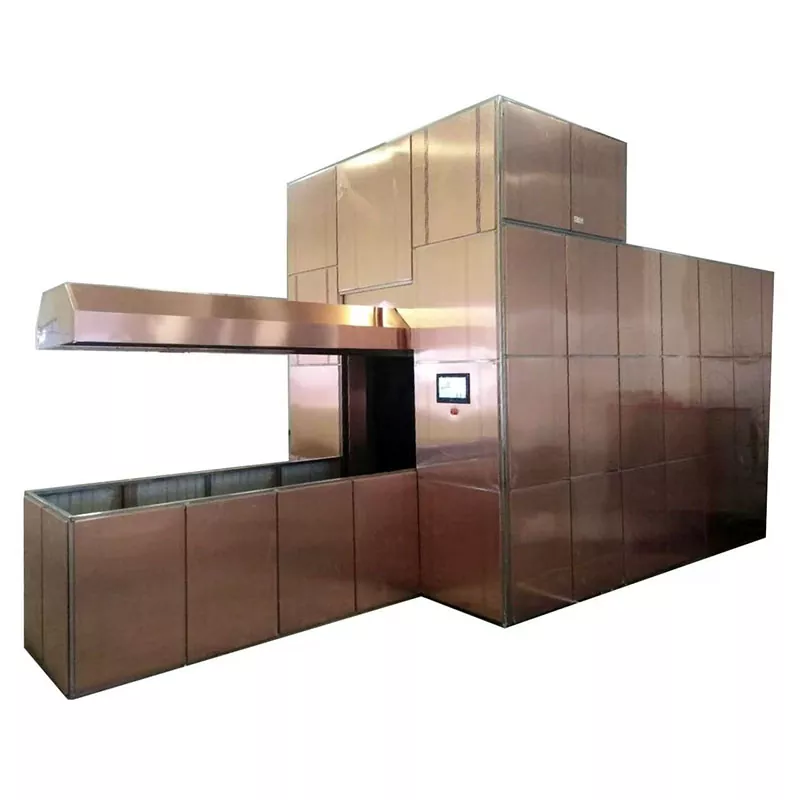
Selecting the wrong medical waste treatment equipment is not just a budget mistake—it is a public health risk. Inadequate sterilization, improper waste segregation, or non-compliant emissions can lead to pathogen release, regulatory fines, and irreversible reputational damage. This guide provides a field-tested framework for equipment selection, covering technology comparisons, critical specifications, and real-world troubleshooting.
Equipment selection starts with waste characterization. Not all technologies work for all waste types. The table below maps each category to its recommended treatment method:
| Waste Category | Typical Contents | Recommended Technology |
|---|---|---|
| Infectious Waste | Cotton gauze, disposable syringes (without needles), contaminated linens, blood-soaked materials | High-temperature incineration, microwave disinfection, autoclaving |
| Pathological Waste | Human tissues, organs, anatomical parts, animal carcasses, pathology slides | High-temperature incineration only (must ensure complete pathogen inactivation) |
| Sharps Waste | Needles, scalpel blades, glass vials, broken test tubes | Collect in puncture-proof containers first; then incineration or autoclaving (with pre-shredding) |
| Pharmaceutical Waste | Expired drugs, cytotoxic agents, vaccines, antibiotics | Incineration or chemical degradation (chemical waste requires specialized treatment) |
| Chemical Waste | Laboratory reagents, heavy-metal fixatives, disinfectant residues | Segregate and transport to licensed hazardous waste facilities |
Golden Rule: If your waste stream contains pathological or pharmaceutical waste, do not rely solely on autoclaving or microwave treatment—incineration or pyrolysis is mandatory.
Each technology has distinct strengths and limitations. The following comparison is based on real operational data from facilities processing 1–20 tons per day.
| Parameter | Autoclave (Steam Sterilization) | Microwave Disinfection | High-Temperature Incineration | Pyrolysis (Oxygen-Free Thermal Decomposition) |
|---|---|---|---|---|
| Operating Temperature | 121–134°C (saturated steam) | ≥95°C (moist heat + microwave energy) | 850–1200°C (secondary combustion chamber) | 400–1000°C (oxygen-depleted environment) |
| Applicable Waste Types | Infectious + sharps (pre-shredded) | Infectious only (not pathological/pharmaceutical) | All types (including pathological, pharmaceutical, and chemical) | All types (particularly high-plastic-content waste) |
| Volume Reduction | Minimal (~15–20% with shredding) | Minimal (~20% with shredding) | 90–95% (ash residue) | Significant (produces syngas + char) |
| Emission Control | Requires wastewater treatment + HEPA filtration for exhaust | Near-zero emissions (electrical operation) | Requires complex flue-gas cleaning (scrubbers, bag filters, activated carbon) | Lower flue-gas volume; requires VOC and acid-gas treatment |
| Typical Daily Capacity | 1–20 tons (2-shift operation) | 3–10 tons | 30–100 tons (often co-located with municipal waste incinerators) | 5–50 tons (custom-designed for specific throughput) |
| Capital Investment | Low–medium | Medium–high | High (due to emission control systems) | High (due to high-temperature alloy and sealing requirements) |
| Operating Cost (USD/ton) | $80–150 | $120–200 | $150–300 | $130–250 (but syngas recovery can offset energy costs) |
Choose based on your facility type and daily waste generation:
| Facility Type | Daily Waste Volume | Recommended Equipment | Key Consideration |
|---|---|---|---|
| Clinic / Small health center | <50 kg | Benchtop autoclave (50–150 L) or small microwave unit | Batch operation; easy to operate; minimal footprint |
| Mid-sized hospital (100–300 beds) | 100–500 kg | Medium-capacity autoclave with integrated shredder (200–800 L/batch) | Sterilization + destruction in one cycle; PLC-automated |
| Large hospital (>500 beds) | 500–2000 kg | Continuous-feed autoclave system or on-site pyrolysis unit | 16–24 hr continuous operation; real-time monitoring |
| Regional centralized treatment plant | >5 tons | Pyrolysis or incineration with full flue-gas treatment train | Must handle all waste categories; stringent EPA/ EU emission compliance |
When reviewing vendor proposals, demand documented verification for these five parameters:
Specify daily throughput in kg or tons per 8-hour shift, not theoretical maximum.
Apply a safety factor of 1.2 (design capacity = 1.2 × peak daily generation).
Require third-party test reports using Geobacillus stearothermophilus biological indicators.
Minimum acceptable: ≥6 log₁₀ reduction (99.9999%) for autoclaves; ≥4 log₁₀ (99.99%) for microwave units.
For incineration: verify residence time ≥2 seconds at ≥1100°C in the secondary chamber.
Request a "cost-per-ton" breakdown, including electricity, fuel, water, consumables (filters, oil), and maintenance labor.
Pyrolysis systems often have higher upfront cost but lower long-term energy cost if syngas is recovered for power generation.
Reality: Steam sterilization targets pathogen inactivation, not physical destruction. However, untreated-looking waste can still be scavenged for recycling (e.g., IV tubes). Solution: Always pair the autoclave with a post-sterilization shredder, or choose an integrated system that performs shredding inside the chamber to maintain containment.
Root cause: Chlorine-containing waste (PVC plastics) + inadequate combustion conditions. Solution:
Maintain secondary chamber temperature ≥1100°C with ≥2 sec residence time.
Install rapid quench and activated carbon injection before the bag filter.
Pre-sort PVC-rich items where feasible.
Solution: Implement a "treat-and-transport" model – use a small microwave unit (≤100 kg/day) to disinfect infectious waste on-site, shred it, then transport the inactivated material as non-hazardous general waste to a central facility for final disposal. This reduces transport-related infection risk and lowers overall cost.
Root cause: Food waste or wet pathological specimens mixed in. Solution: Install a drying/press-dewatering pre-treatment stage, or co-fire with high-calorific waste (e.g., used surgical gowns, packaging) to maintain stable combustion temperature above 850°C.
Before signing any purchase agreement, obtain written answers to these questions:
| Checkpoint | Vendor Must Provide |
|---|---|
| Validated kill performance | Third-party BI test report (not self-declared) |
| Emission test data | Stack testing by an accredited lab under full-load conditions |
| Spare parts availability | Lead time and cost for consumables (HEPA filters, thermocouples, seals) |
| Installation & commissioning | Training hours included; on-site support duration |
| Warranty & after-sales | Response time guarantee (e.g., ≤48 hrs for critical failures) |
| Reference sites | At least 3 similar-scale facilities with contact details for reference calls |
There is no single "best" technology—only the best fit for your specific waste profile, budget, and regulatory environment. The selection process must be data-driven: start with a waste audit, match technology to categories, verify performance with independent test reports, and always plan for emission compliance from day one.
Actionable Next Step: Request a trial run (or witness a full cycle) at an existing reference site before committing. Seeing the equipment operate under real conditions is worth more than any brochure.