Article Summary: Animal carcass management is one of the most challenging and sensitive aspects of modern livestock operations. Improper disposal leads to environmental contamination, disease spread, regulatory penalties, and reputational damage. This article explores how specialized animal carcass treatment equipment addresses these pain points, detailing types of solutions, operational benefits, cost considerations, compliance measures, and best practices. Practical guidance and answers to common questions help livestock managers, farm owners, and sustainability planners make informed decisions for responsible carcass handling.
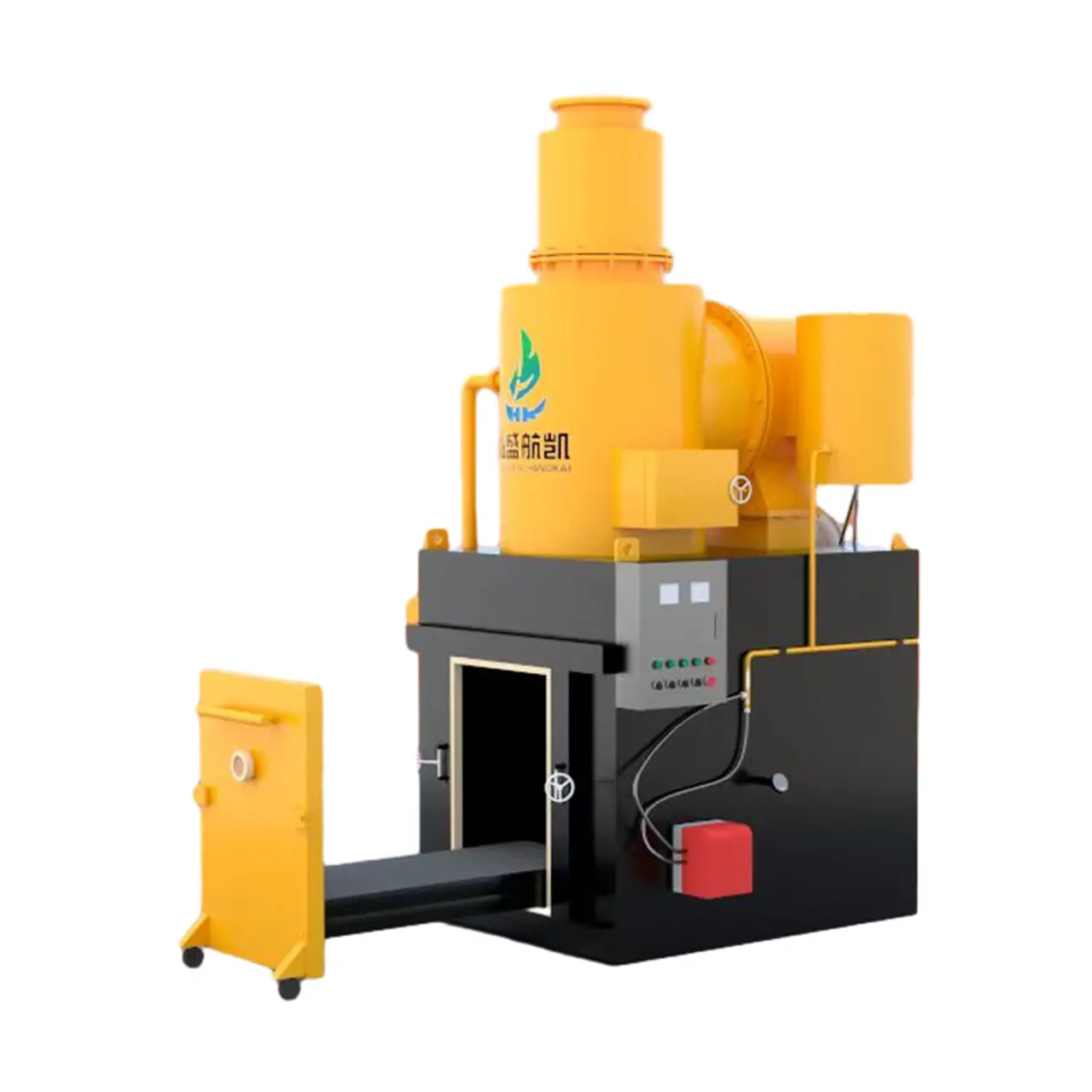
Table of Contents
- Understanding the Carcass Management Challenge
- Types of Animal Carcass Treatment Equipment
- Key Benefits of Using Treatment Systems
- How to Choose the Right Equipment
- Implementation and Operational Best Practices
- Comparison of Common Methods
- Frequently Asked Questions
- Conclusion & Contact Info
Understanding the Carcass Management Challenge
Livestock farms, poultry operations, and slaughter facilities generate animal carcasses as a routine part of production. Historically, carcasses were handled via burial, incineration in open pits, or rendering. These approaches pose significant risks:
- Disease Transmission – Pathogens in untreated carcasses can infect healthy livestock and wildlife.
- Environmental Pollution – Leachate from buried carcasses contaminates soil and groundwater.
- Odor and Air Emissions – Decomposition releases noxious gases that affect air quality.
- Regulatory Noncompliance – Many regions have strict disposal regulations that traditional methods violate.
Given these challenges, effective carcass treatment systems are essential for modern biosecurity and environmental stewardship.
Types of Animal Carcass Treatment Equipment
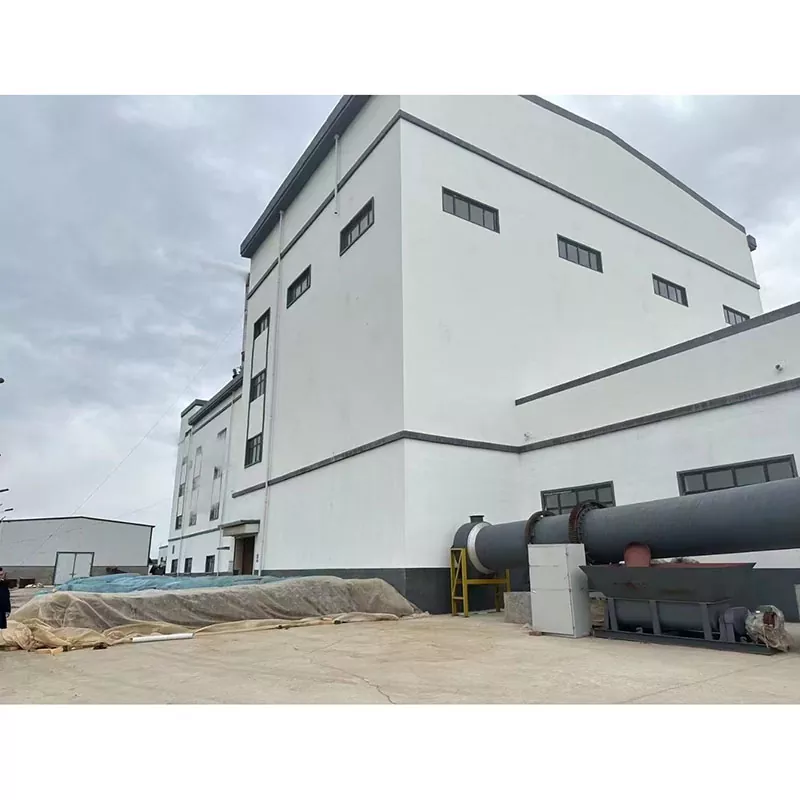
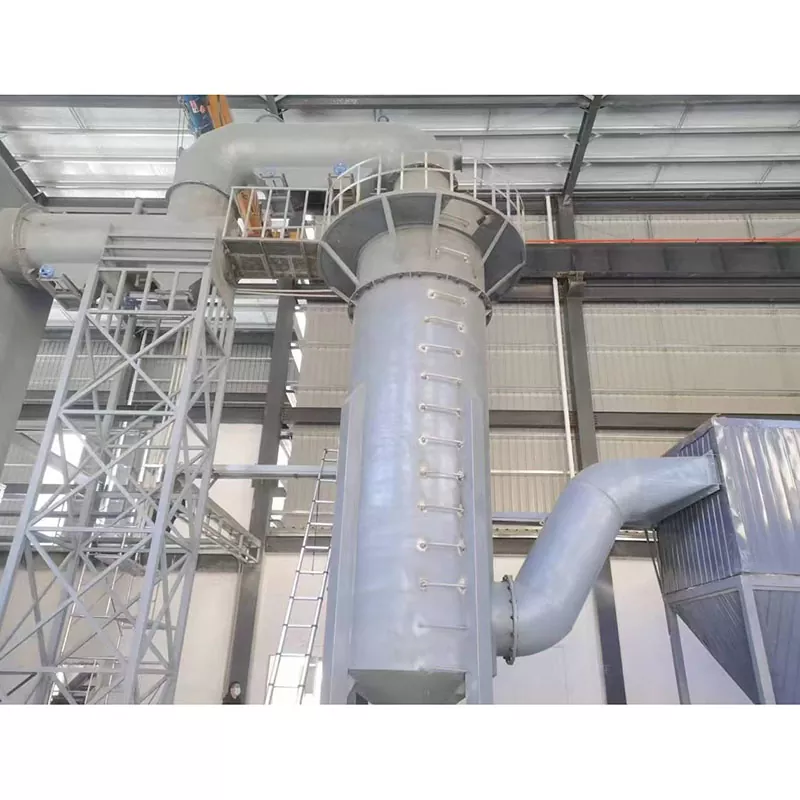
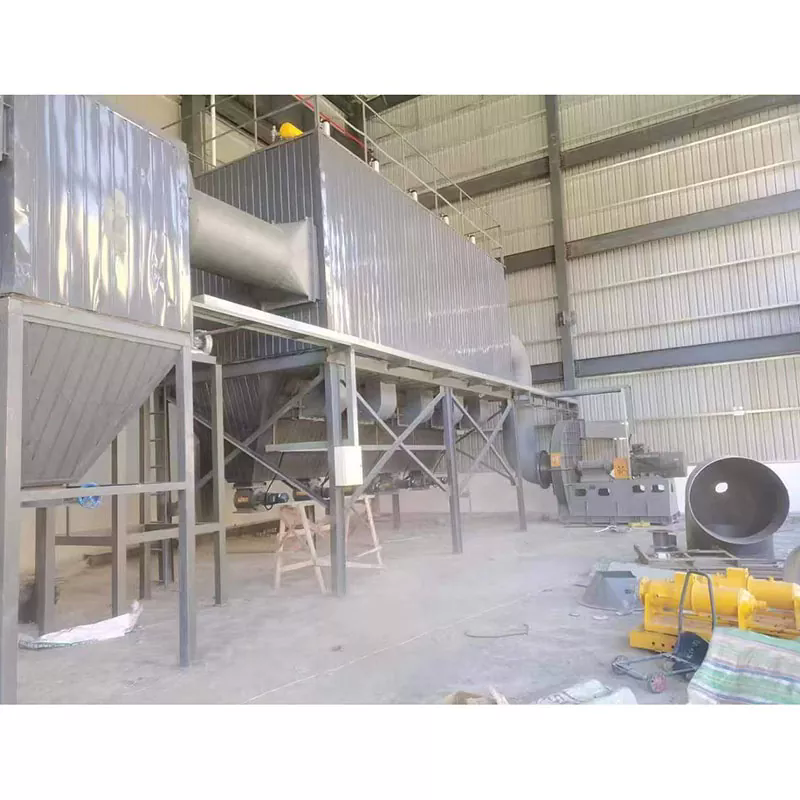
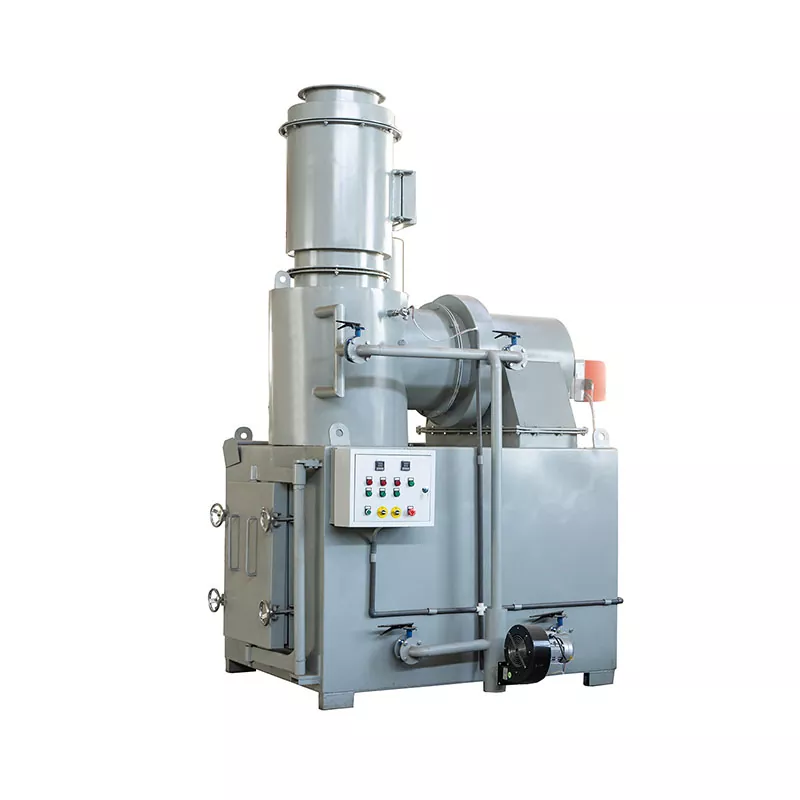
Various technologies are available to handle and process animal carcasses in a controlled, safe, and compliant manner:
| Equipment Type | Main Function | Primary Applications |
|---|---|---|
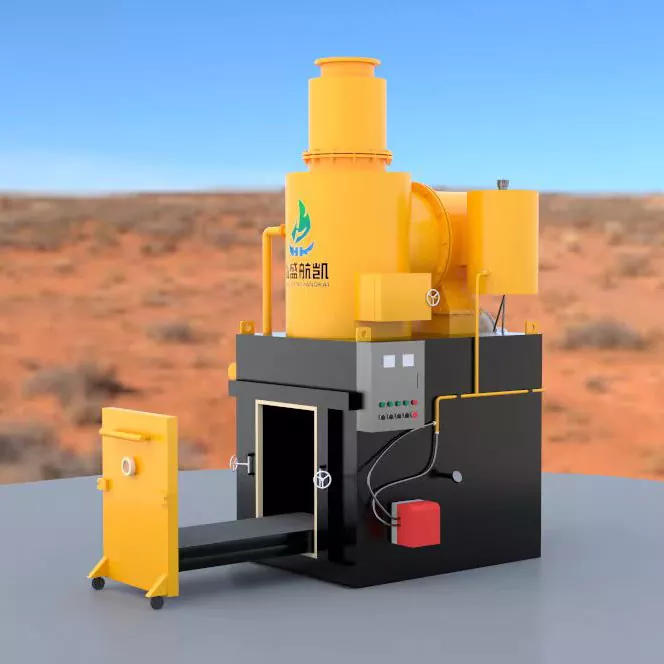
| High-Temperature Incinerators | Combustion of carcasses to ash | Farms, slaughterhouses, emergency disposal |
| Hydrolysis/Alkaline Digestion Units | Breakdown of tissues using heat/chemicals | Rendering substitutes, biosecure disposal |
| Composting Systems | Biological decomposition to stable compost | On-farm organic waste management |
| Rendering Machines | Separation of fats and proteins | Material recovery for feed/industrial use |
Each machine type delivers specific advantages depending on scale, regulatory context, and end goals (e.g., volume reduction, resource recovery).
Key Benefits of Using Treatment Systems
Deploying modern carcass treatment equipment unlocks several operational and strategic benefits:
- Enhanced Biosecurity: Rapid destruction of pathogens reduces disease risk within animal populations.
- Lower Environmental Impact: Controlled treatment minimizes water and soil contamination.
- Odor and Emission Control: Engineered systems capture and filter harmful emissions.
- Regulatory Compliance: Meets or exceeds disposal standards in many jurisdictions.
- Operational Transparency: Automated data logging supports audits and reporting.
These benefits contribute directly to more profitable and sustainable livestock operations by protecting animal health and community relations.
How to Choose the Right Equipment
Selecting the appropriate animal carcass treatment solution depends on multiple factors. Consider the following:
- Daily Carcass Volume: Estimate the average number of carcasses per day or week.
- Carcass Size: Equipment capacity must match the largest expected animal weight.
- Available Space: Some systems require significant footprint and auxiliary space for emissions controls.
- Energy Source: Determine whether electricity, gas, or other fuels are available.
- Compliance Requirements: Local regulations can dictate permissible technologies.
Engage with equipment suppliers early in the planning stage to define specifications and ensure seamless integration.
Implementation and Operational Best Practices
Once selected, correct implementation is essential for performance and longevity. Follow these best practices:
- Site Preparation: Ensure solid foundation, drainage control, and access for maintenance.
- Training: Operators must understand safety protocols, loading procedures, and emergency shutdown.
- Maintenance Plan: Scheduled maintenance prevents breakdowns and ensures compliance.
- Record Keeping: Track usage, emissions data, and service history for compliance and performance review.
Effective standard operating procedures (SOPs) help teams manage the equipment safely and consistently.
Comparison of Common Methods
The table below contrasts three commonly used carcass disposal methods to help clarify their relative attributes:
| Method | Environmental Impact | Biosecurity Level | Cost Range |
|---|---|---|---|
| Open Burial | High | Low | Low |
| Traditional Pit Burning | Moderate–High | Low–Moderate | Low–Medium |
| Engineered Treatment Equipment | Low | High | Medium–High |
Engineered systems require higher upfront investment but deliver superior environmental performance and disease control.
Frequently Asked Questions
Q1: Why can’t I just bury carcasses on my property?
A1: While simple, burial often fails to contain pathogens and leachate and may violate environmental regulations in many areas.
Q2: How quickly do treatment systems process carcasses?
A2: Processing time varies by technology but modern incinerators and hydrolysis systems often complete treatment within hours.
Q3: Are there size limits for treatment equipment?
A3: Yes. Manufacturers specify maximum carcass dimensions and weight. Choose a model based on your largest animal size.
Q4: What permits are needed for installation?
A4: Permits vary by region. Contact local environmental or agricultural agencies before installation to ensure full compliance.
Q5: Can treated remains be repurposed?
A5: Some systems convert carcasses into ash or compost that may be repurposed safely, depending on regulations and treatment thoroughness.
Conclusion & Contact Info
Animal carcass management is a critical operational issue for livestock producers, poultry farmers, and meat processing facilities. Choosing the right treatment equipment enhances biosecurity, protects the environment, and aligns with regulatory expectations. Investing in engineered solutions yields long-term benefits that far outweigh the initial cost.
If you are evaluating options or planning installation, our team at Hongsheng can provide professional guidance, customized solutions, and reliable support. For detailed specifications, pricing, and implementation planning, please contact us today — we are ready to assist you with comprehensive animal carcass treatment solutions tailored to your operation.