Beijing Hongsheng Hangkai Environmental Protection Technology Co., Ltd.
Products
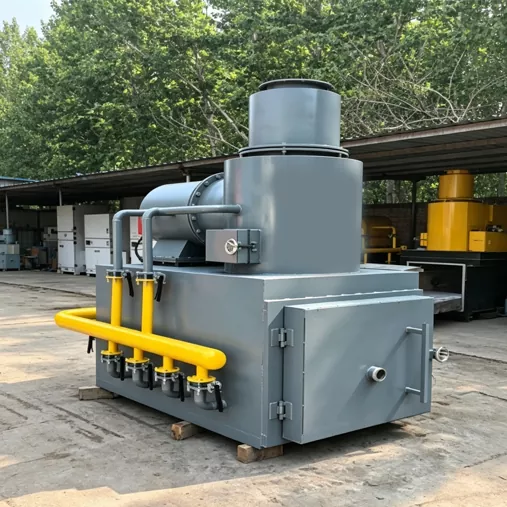
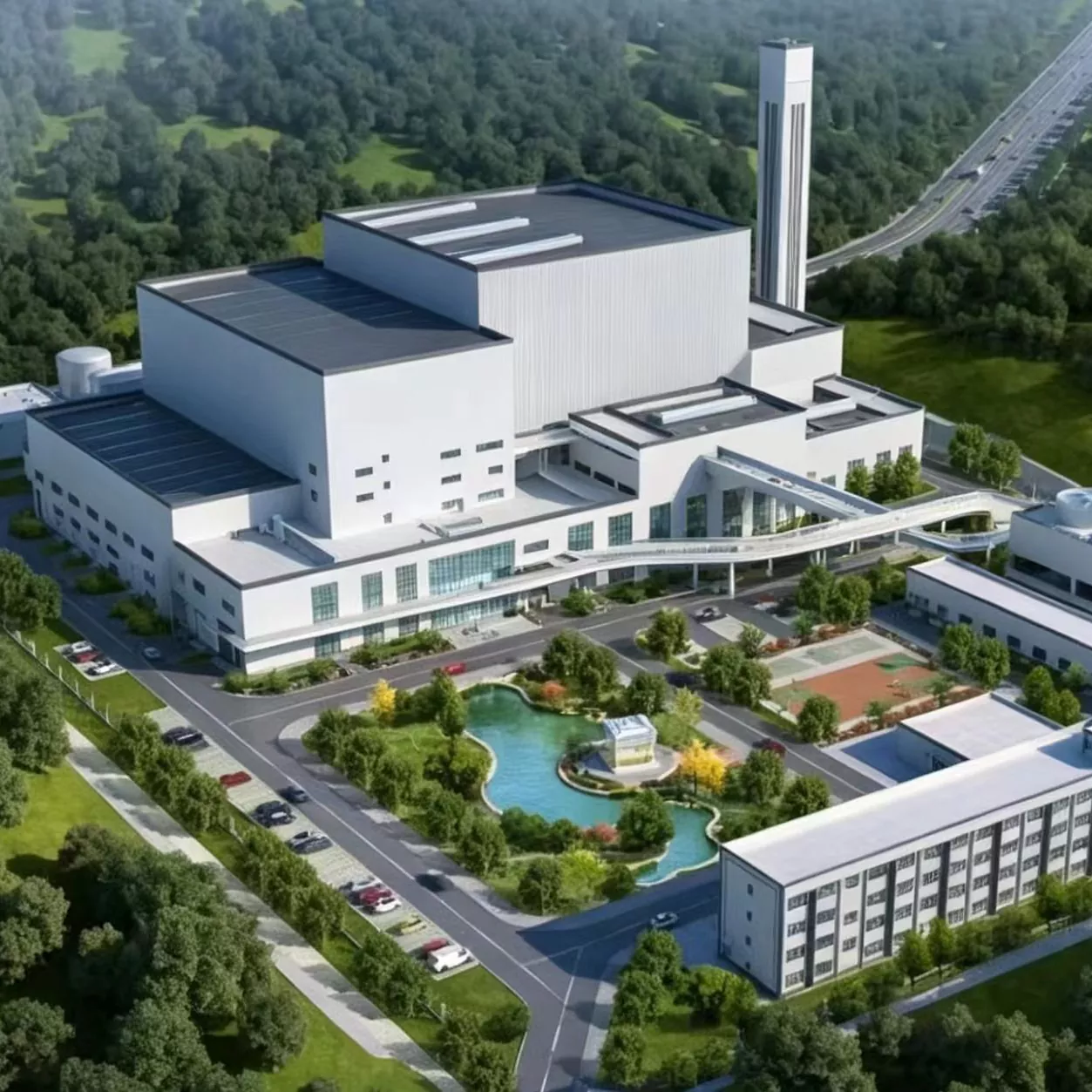
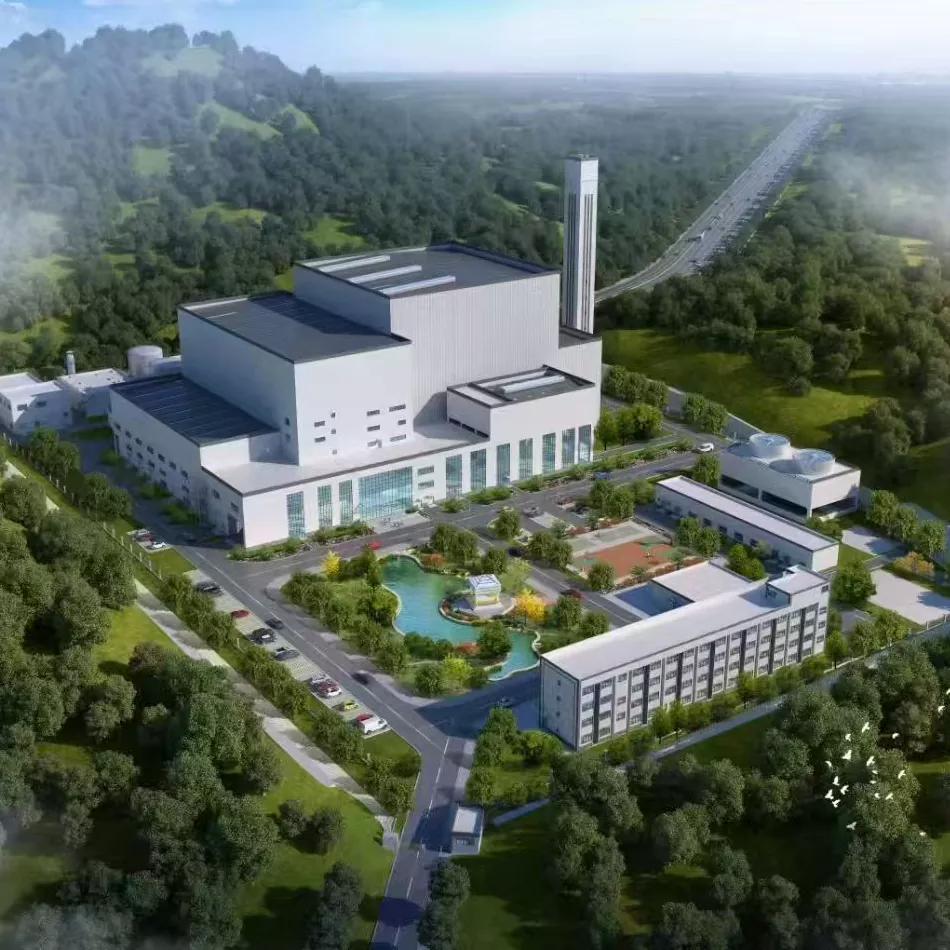
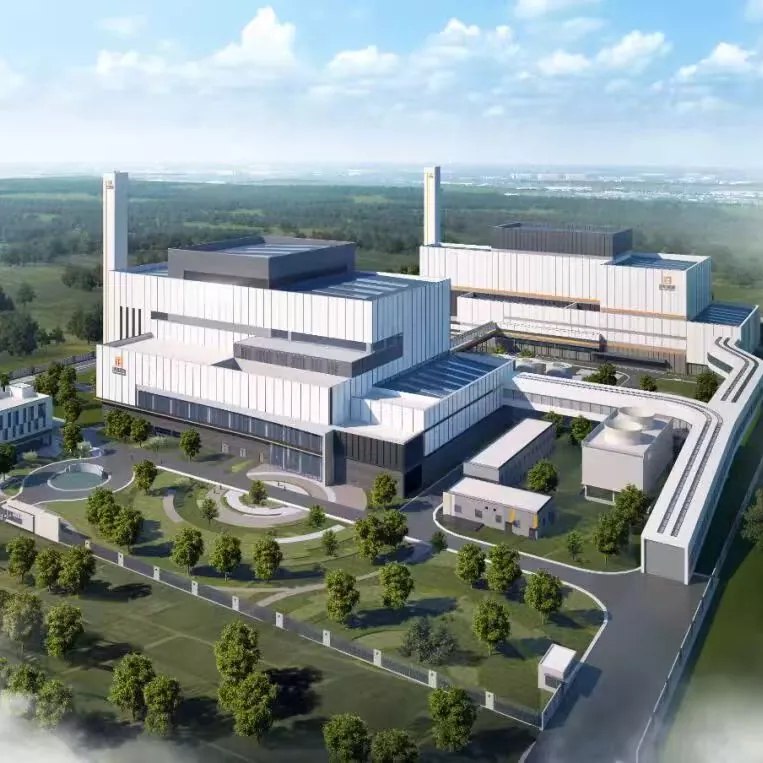
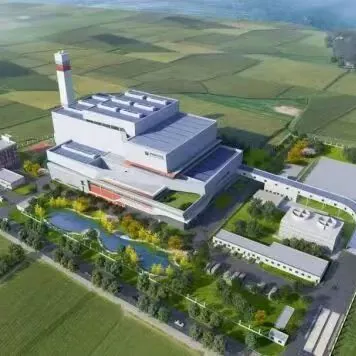
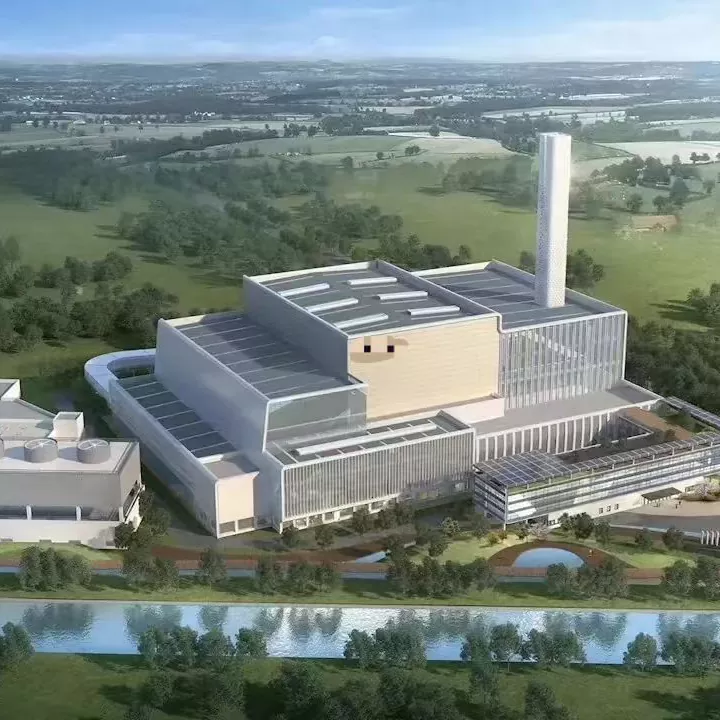
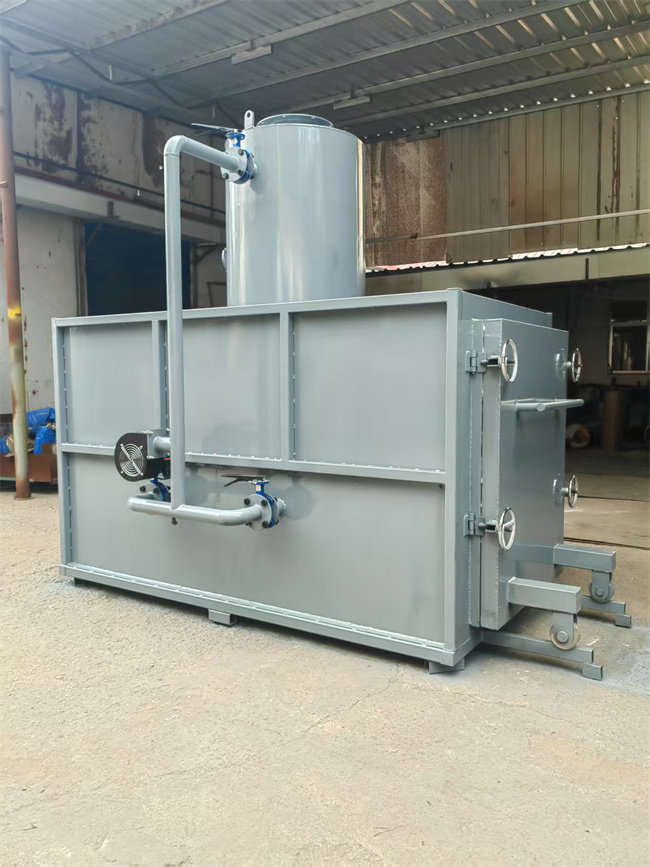
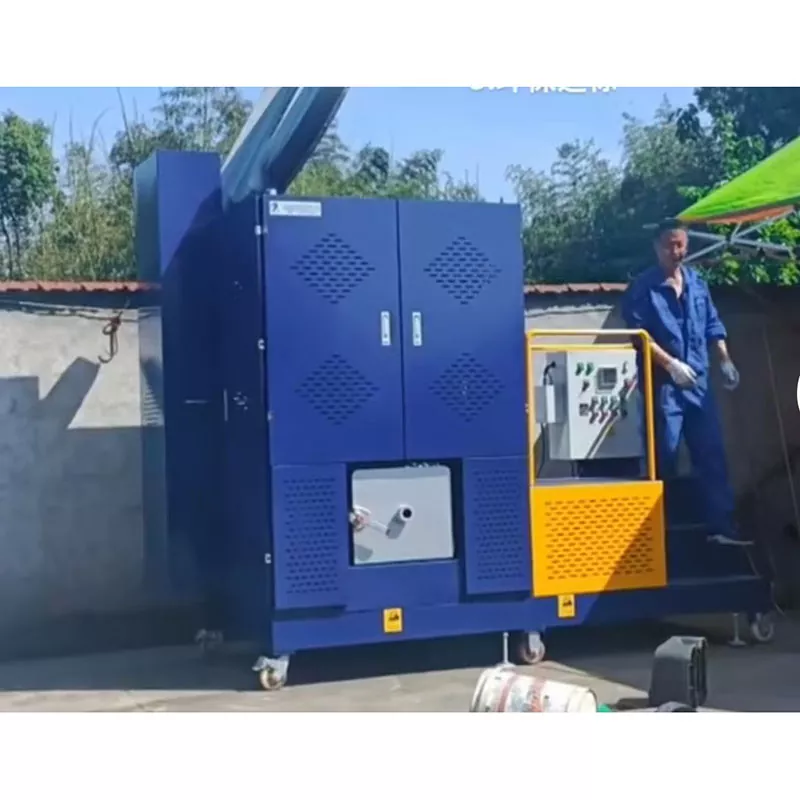
1000 tons Domestic Waste Incinerator
  • 1000 tons Domestic Waste Incinerator1000 tons Domestic Waste Incinerator
  • 1000 tons Domestic Waste Incinerator1000 tons Domestic Waste Incinerator
  • 1000 tons Domestic Waste Incinerator1000 tons Domestic Waste Incinerator
  • 1000 tons Domestic Waste Incinerator1000 tons Domestic Waste Incinerator

1000 tons Domestic Waste Incinerator

Hongsheng 1000 Tons Domestic Waste Incinerator is a large-scale waste-to-energy solution designed for municipal solid waste treatment in medium and large cities, environmental protection parks, and regional waste management centers. Featuring advanced mechanical grate incineration technology, the system processes up to 1,000 tons of waste per day while achieving over 80% volume reduction and efficient resource recovery.

The 1000 tons Domestic Waste Incinerator is a large-scale facility designed for urban waste treatment and waste-to-energy generation. It is primarily deployed in medium-to-large cities, municipal environmental protection parks, and regional centralized waste treatment centers. The project typically employs modern mechanical grate incineration technology to achieve the reduction, harmless disposal, and resource recovery of municipal solid waste through high-temperature combustion. Furthermore, it utilizes the residual heat generated during incineration to generate electricity, thereby realizing the integrated utilization of environmental protection and energy resources.


A 1,000-ton/day waste incineration project can typically be configured with:

2 × 500-ton incineration lines

or 3 × 350-ton incineration lines

Equipped with supporting waste heat boilers, steam turbine generator sets, flue gas purification systems, and intelligent control systems, the facility is capable of achieving continuous and stable operation around the clock.

Key Advantages of the 1000 tons Domestic Waste Incinerator

1. Robust Waste Processing Capacity

With a daily processing capacity reaching 1,000 tons, the equipment can effectively meet the waste treatment demands of:

Medium-to-large cities

Metropolitan areas

Industrial parks

Regional centralized waste treatment centers

It is particularly well-suited for cities in developing countries experiencing rapid population growth.


2. Significantly Reduces Landfill Requirements

Following waste incineration:

Volume is reduced by 80%–90%

Weight is reduced by over 70%

This significantly alleviates:

The pressure to construct new landfills

Land occupation costs

Future costs associated with leachate treatment

Thereby effectively resolving the issue of "cities besieged by waste."


3. Enables Waste-to-Energy Generation

The substantial thermal energy generated during incineration can be converted into electrical energy.

A 1,000-ton waste incineration project can typically be equipped with:

A 15 MW – 25 MW steam turbine generator set

Enabling:

Self-generation and self-consumption of electricity

Grid connection and electricity sales

Industrial heat supply

Thereby generating a stable stream of energy-related revenue.


4. Significant Environmental Benefits

Modern waste incinerators employ high-standard flue gas purification systems, featuring:

Baghouse dust removal

Semi-dry acid gas removal

Activated carbon adsorption

SNCR/SCR NOx removal

Effectively controlling emissions of:

Dioxins

SO ₂

NOx

Particulate matter (dust)

Heavy metals

Ensuring compliance with EU and international environmental emission standards.


5. High Degree of Automation

Utilizes a PLC+DCS automatic control system:

Automatic feeding

Grate adjustment

Real-time monitoring

Automatic alarming

Remote control

Reduces labor costs and enhances operational stability.


6. Adaptability to Complex Waste Composition

The equipment is capable of processing:

Municipal solid waste

Kitchen waste

Certain industrial solid waste

Mixed rural waste

Particularly suitable for developing countries where waste classification systems are not yet fully established.


7. Stable Continuous Operation

The project supports:

24-hour continuous operation

Annual operating time exceeding 8,000 hours

The equipment features a long service life, making it ideal for long-term municipal environmental protection operations.

Key Technical Parameters for the 1000 tons Domestic Waste Incinerator (Reference)

Item | Parameter

Daily Processing Capacity | 1000 tons/day

Incineration Temperature | ≥850°C

Incinerator Type | Mechanical Grate Furnace

Power Generation Capacity | 15 MW – 25 MW

Annual Operating Time | ≥8000 hours

Control System | PLC + DCS

Flue Gas Treatment | Acid Removal + Dust Removal + NOx Removal

Volume Reduction Rate | 80% – 90%

Operation Mode | Continuous Operation

1000 tons Domestic Waste Incinerator Introduction to Commercial Operation Models

1. BOT Model (Mainstream Model)

BOT (Build-Operate-Transfer) is currently the most common model for waste incineration power generation projects.

The Enterprise is responsible for:

Investment and construction

Equipment procurement

Project operation

Maintenance and management

The Government is responsible for:

Providing the waste supply

Paying waste treatment fees

Assisting with project approvals

The operational term is typically:

20–30 years

Upon expiration, the project is transferred to the government.

Advantages of the BOT Model:

Stable cash flow

Long return cycle

Suitable for large-scale environmental investment projects


2. PPP Model

In the PPP (Public-Private Partnership) model:

The government and the enterprise co-invest

Risks are shared

Benefits are shared

Applicable to:

Key national environmental protection projects

Large-scale urban infrastructure construction


3. EPC Model

The Equipment Supplier is responsible for:

Design

Procurement

Construction

The Project Owner is responsible for:

Project operation

Subsequent revenue

Suitable for governments or investors with strong financial capabilities.


4. BOO Model

The enterprise builds and permanently operates the project, without transferring it to the government. Applicable to:

Countries with liberalized electricity markets

Private-sector environmental protection projects

1000 tons Domestic Waste Incinerator Profit Model Analysis

1. Waste Treatment Fee Revenue (Core Revenue Stream)

The government pays treatment fees based on the volume of waste processed.

Common fee rates:

$30 – $120 per ton

Based on a project with a capacity of 1,000 tons per day:

Daily revenue: approximately $30,000 – $120,000

Annual revenue: potentially reaching $10 million – $40 million

This revenue stream is stable and serves as the project's primary source of cash flow.


2. Waste-to-Energy Revenue

For a 1,000-ton capacity project, typical output includes:

Daily power generation: approximately 300,000 – 500,000 kWh

Sources of revenue:

Electricity sales to the national grid

Renewable energy subsidies

In some countries, waste-to-energy projects qualify for preferential "green electricity" pricing policies.

Electricity generation revenue typically accounts for 30% to 50% of the project's total revenue.


3. Steam and Heating Revenue

Sales to industrial parks:

Industrial steam

Hot water

District heating

This further enhances energy utilization efficiency.

Particularly suitable for:

Chemical industry parks

Food processing industrial parks

Textile manufacturing zones


4. Slag Utilization Revenue

Incineration slag can be processed for use as:

Construction materials

Cement additives

Road base materials

This reduces solid waste disposal costs while generating additional revenue.


5. Carbon Trading Revenue

Waste-to-energy incineration is classified as a low-carbon, eco-friendly industry, qualifying for:


Carbon credits

Carbon quota trading

International green financing support

With the expansion of the global carbon market, this area holds significant potential for future growth.

1000 tons Domestic Waste Incinerator Investment Return Analysis (Reference)

Project Metric | Reference Data

Total Project Investment | US$ 80 million – US$ 200 million

Construction Period | 18 – 30 months

Operation Period | 20 – 30 years

Investment Payback Period | 6 – 10 years

Annual Operating Revenue | US$ 20 million – US$ 70 million

Annual Net Profit Margin | 15% – 30%

Specific returns are influenced by the following factors:

Waste treatment fee rates

Local electricity tariffs

Government subsidy policies

Project financing costs

Waste calorific value

1000 tons Domestic Waste Incinerator Market Outlook in Developing Countries

Currently, countries across Southeast Asia, Africa, the Middle East, and South America are rapidly advancing initiatives in:

Urban waste management

Clean energy development

Upgrading environmental infrastructure

Waste-to-energy projects with a capacity of 1,000 tons possess the following characteristics:

High market demand

Strong government support

Stable long-term returns

Consequently, they enjoy vast potential for future market expansion.

Demand for waste-to-energy projects—specifically waste incineration for power generation—continues to grow in countries such as:

Indonesia

The Philippines

Vietnam

India

Nigeria

Egypt

Brazil

1000 tons Domestic Waste Incinerator Conclusion

A 1,000-ton municipal solid waste incinerator not only effectively resolves urban waste disposal challenges but also enables the resource-efficient conversion of waste into electricity, delivering substantial environmental and economic benefits. As global environmental standards rise and the demand for new energy sources grows, large-scale waste-to-energy projects are emerging as a key direction for urban infrastructure development in developing nations, offering stable long-term investment value and broad prospects for future growth.

Hot Tags: 1000 tons Domestic Waste Incinerator
Send Inquiry
Contact Info
Welcome to our website! For inquiries about our products or pricelist, please leave your email to us and we will be in touch within 24 hours.
X
We use cookies to offer you a better browsing experience, analyze site traffic and personalize content. By using this site, you agree to our use of cookies. Privacy Policy
Reject Accept