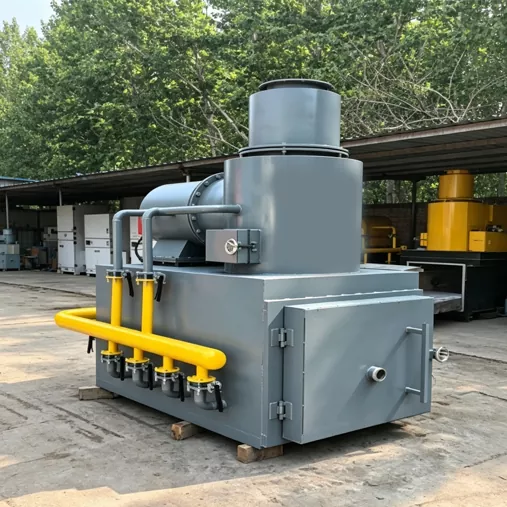
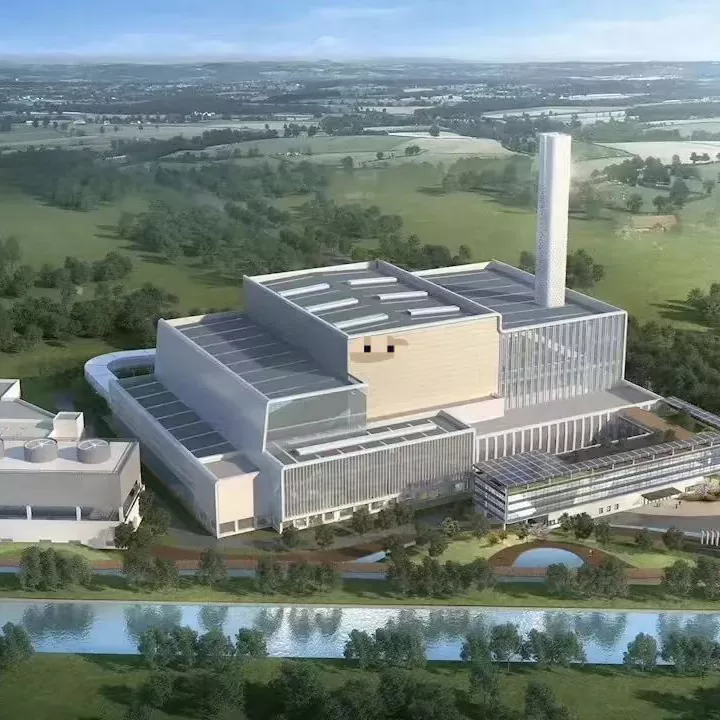
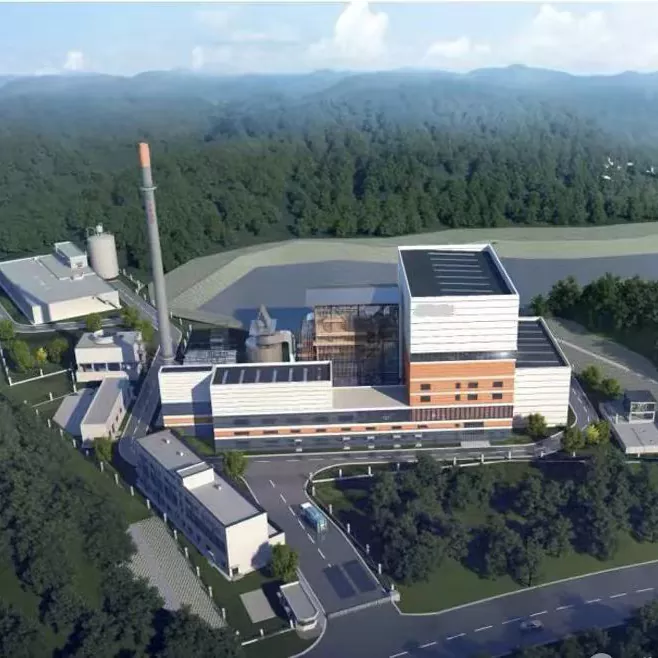
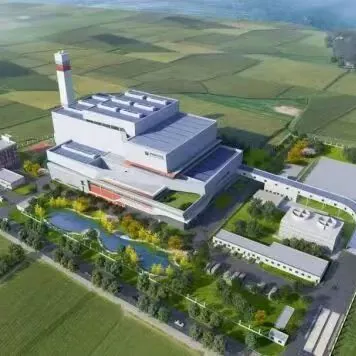
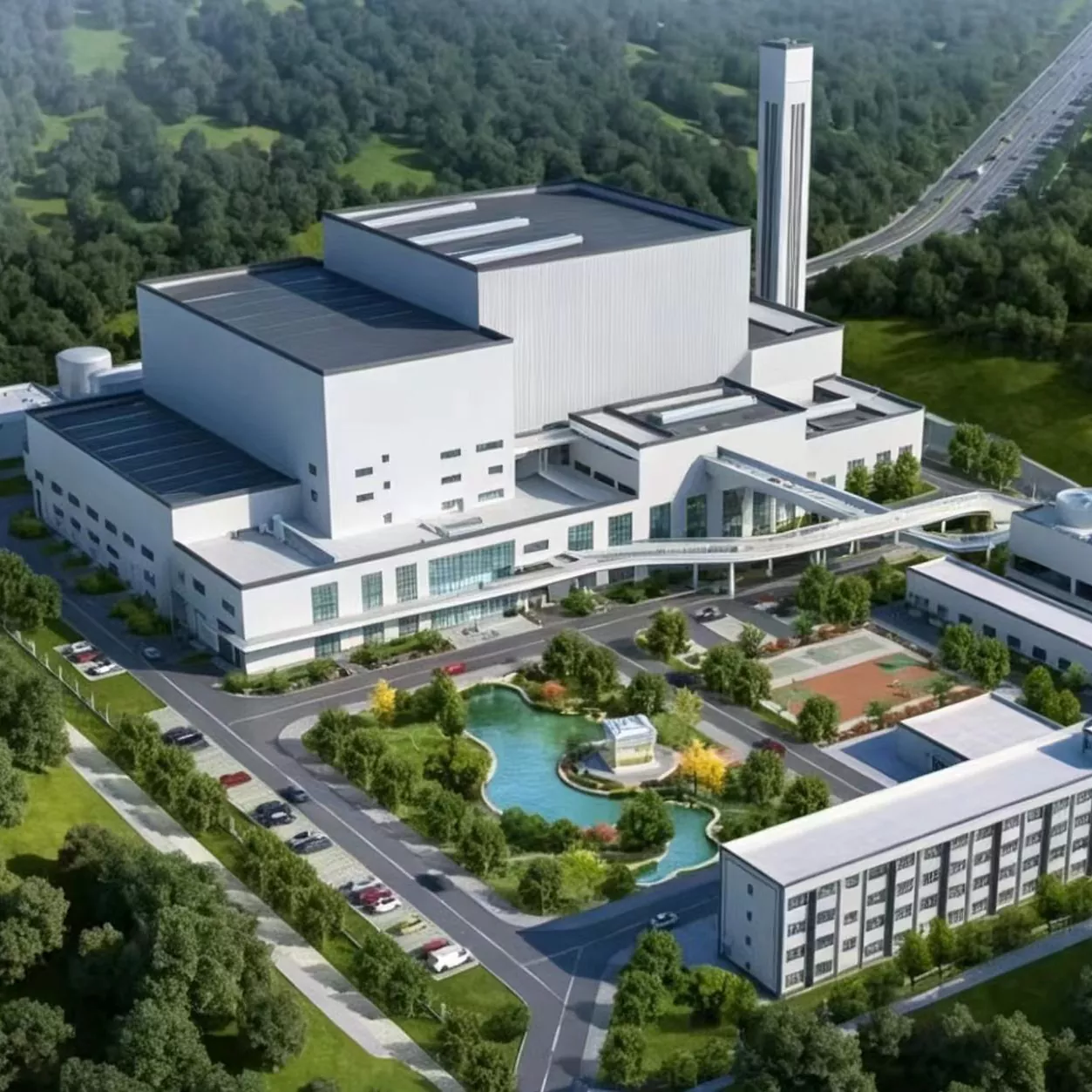
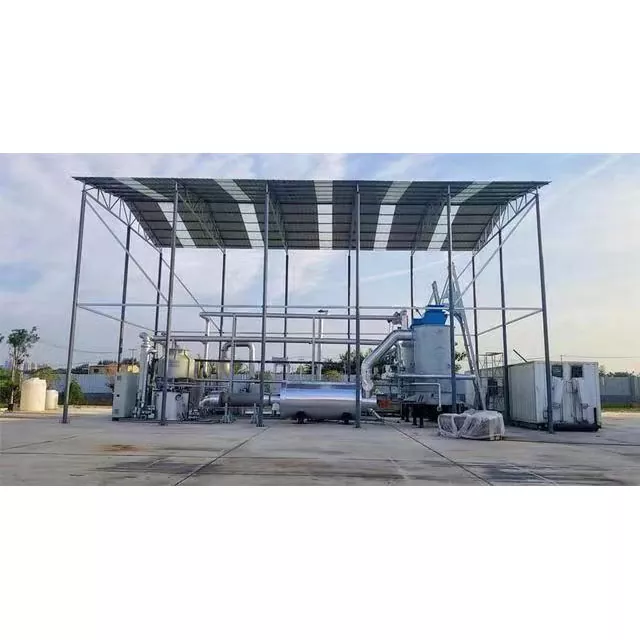
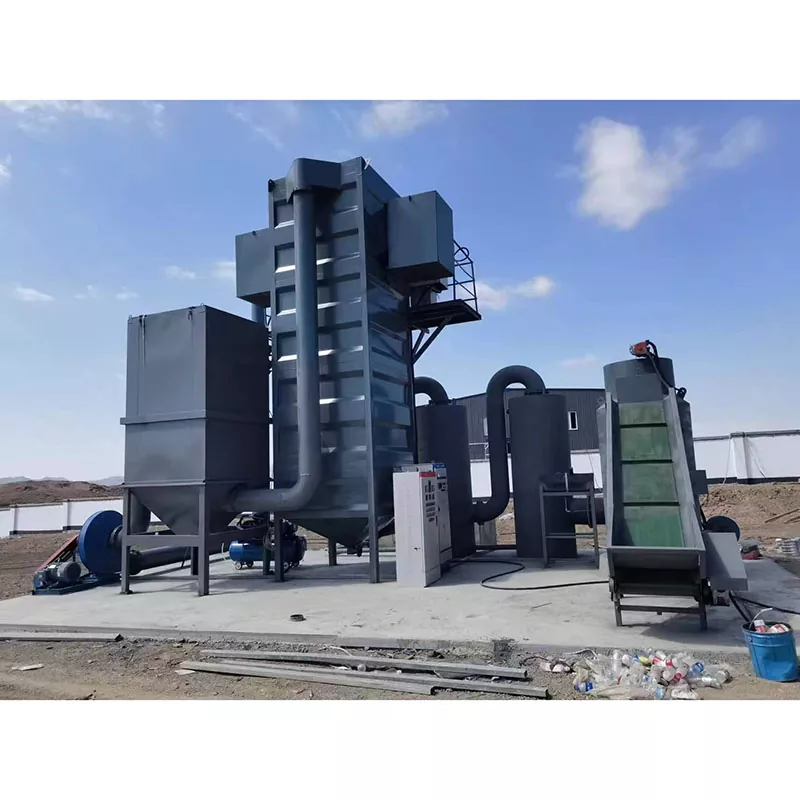
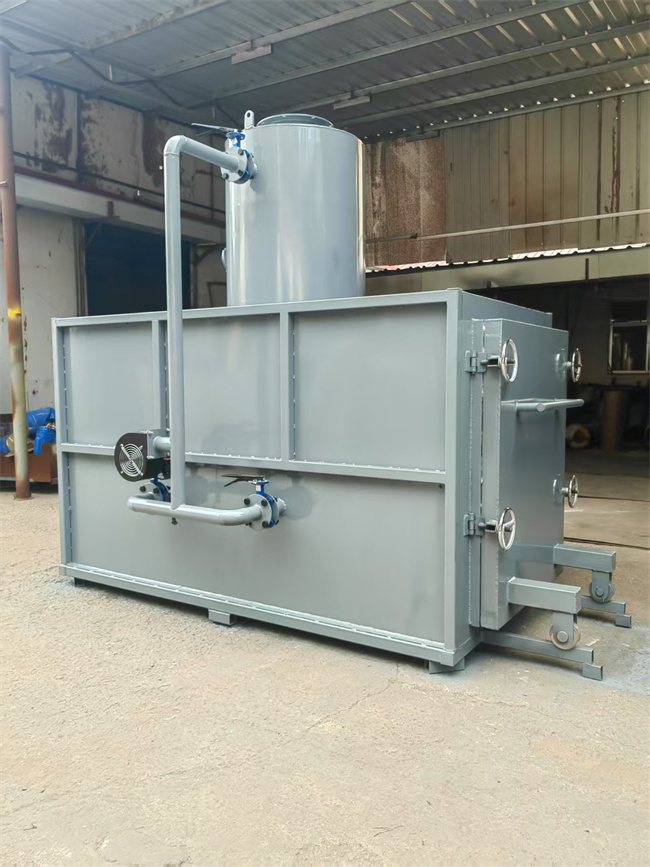
The 500 tons Domestic Waste Incinerator is a modern waste treatment facility suitable for medium-to-large cities, municipal environmental protection projects, and waste-to-energy initiatives. Utilizing high-temperature incineration technology, this system achieves the reduction, harmless treatment, and resource recovery of urban municipal waste, effectively addressing issues such as waste accumulation, landfill shortages, and environmental pollution.
With a daily processing capacity of approximately 500 tons, the equipment ensures continuous and stable operation. By integrating a waste heat boiler with a steam turbine power generation system, it converts the thermal energy generated during waste incineration into electrical energy, thereby realizing a "waste-to-energy" circular economy model.
Waste Receiving and Storage System
Automatic Feeding System
Incinerator System
Waste Heat Boiler System
Flue Gas Purification System
Fly Ash and Slag Treatment System
Power Generation System
PLC Automatic Control System
1. High Processing Capacity
The equipment is capable of processing up to 500 tons of municipal solid waste per day, making it suitable for:
Medium-to-large cities
Industrial parks
Municipal environmental protection projects
Centralized waste treatment centers
It is capable of meeting the rapidly growing demand for urban waste treatment.
2. Efficient Volume Reduction
Following waste incineration:
Volume is reduced by 80%–90%
Weight is reduced by over 70%
This significantly reduces the need for landfills and conserves land resources.
3. Waste-to-Energy Functionality
The substantial thermal energy generated during the incineration process can be utilized for:
Steam-based power generation
Industrial heat supply
District heating
This facilitates resource recycling and enhances the economic value of the project.
Typically, a 500 tons Domestic Waste Incinerator project can be paired with a 7 MW to 12 MW power generation unit.
4. High Degree of Automation
The system employs intelligent PLC control for:
Automatic feeding
Automatic furnace temperature regulation
Real-time online monitoring
Fault detection and alarming
This minimizes manual intervention and enhances operational stability.
5. Compliance with Environmental Emission Standards
The system is equipped with a comprehensive flue gas purification system featuring:
Baghouse dust removal
Acid gas removal system
Activated carbon adsorption
SNCR denitrification
It effectively controls the emission of:
Particulate matter (Soot/Dust)
Dioxins
SO ₂ (Sulfur Dioxide)
NOx (Nitrogen Oxides)
Heavy metals
Ensuring full compliance with international environmental emission standards. 6. Adaptability to Complex Waste Composition
Capable of processing:
Municipal solid waste
Kitchen waste (food waste)
Certain industrial solid waste
Rural waste
Particularly well-suited for developing countries with underdeveloped waste sorting systems.
7. Continuous and Stable Operation
The equipment supports 24-hour continuous operation, features a long service life, and entails relatively low maintenance costs, making it ideal for long-term municipal operation projects.
Item | Parameter
Daily Processing Capacity | 500 tons/day
Incineration Temperature | ≥850°C
Incineration Method | Mechanical Grate Furnace
Power Generation Capacity | 7 MW – 12 MW
Control System | PLC Automatic Control
Flue Gas Treatment | Baghouse Filtration + Acid Removal + NOx Removal
Volume Reduction Rate | 80% – 90%
Operation Mode | Continuous Operation
1. Waste Treatment Fee Revenue (Core Revenue)
The government or municipal authorities pay waste treatment fees based on the volume of waste processed.
Common Fee Models:
Per-ton fee basis
Long-term operation contracts (BOT/PPP)
For Example:
Waste treatment fee of $30 – $100 per ton
Daily processing capacity of 500 tons
Annual operating days: 330 days
Annual waste treatment revenue can reach:
Approximately $5 million – $15 million.
This constitutes the most stable source of revenue for waste incineration projects.
2. Revenue from Electricity Sales (Waste-to-Energy)
Waste incineration generates steam, which drives steam turbines to produce electricity.
Sources of Revenue:
Grid-connected electricity sales
Government subsidies for green energy
For a 500-ton project, typically:
Daily power generation is approximately 150,000 – 250,000 kWh
A portion of the electricity is consumed internally
The surplus electricity is sold to the national power grid
Over the long term, this generates a stable cash flow.
3. Sales of Steam and Thermal Energy
Certain projects located within industrial parks can supply the following to surrounding enterprises:
Industrial steam
Hot water
District heating
Particularly suitable for:
Chemical industrial parks
Textile industrial zones
Food processing zones
This further enhances energy utilization efficiency.
4. Resource Utilization of Incineration Slag
The slag remaining after incineration can be processed for use in:
Construction materials
Road base materials
Brick manufacturing
This reduces solid waste disposal costs while generating additional revenue. 5. Carbon Emission Reduction Benefits
Waste-to-energy incineration projects are classified as new energy and environmental protection initiatives, qualifying them for:
Carbon credits
Carbon trading revenue
Support from international green funds
In certain countries and regions, these benefits translate into significant added value.
The a 500 tons Domestic Waste Incinerator Project is particularly well-suited for:
Southeast Asia
Africa
South America
The Middle East
The reasons for this include:
Rapid growth in urban waste generation
Insufficient landfill capacity
Rising demand for electricity
Gradually strengthening environmental regulations
Currently, many developing countries are actively promoting waste-to-energy initiatives and the construction of environmental infrastructure, leading to continuously expanding market demand.
Common cooperation models include:
1. EPC Model
The equipment manufacturer is responsible for:
Design
Procurement
Construction
The project owner is responsible for operations.
2. BOT Model
An enterprise invests in, constructs, and operates the facility:
Ownership is transferred to the government after a specified number of years
The enterprise secures long-term revenue through waste treatment fees and electricity sales
3. PPP Model
The government and the enterprise jointly invest in and operate the project, thereby mitigating project risks.
The a 500 tons Domestic Waste Incinerator Project not only effectively addresses the challenge of urban waste disposal but also enables energy recovery through waste-to-energy generation, offering significant environmental and economic value. As global environmental standards continue to rise and urbanization accelerates, waste-to-energy incineration projects are poised to enjoy broad market prospects and deliver stable, long-term investment returns in developing countries.
Address
Qiqiao Town Economic Development Zone, Botou City, Hebei Province, China
Tel