Beijing Hongsheng Hangkai Environmental Protection Technology Co., Ltd.
Products
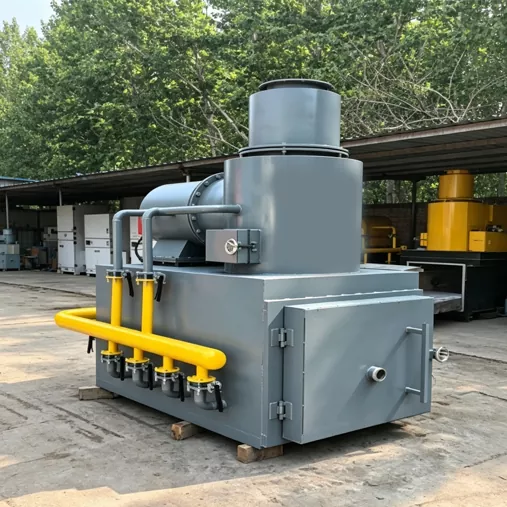
200 tons Domestic Waste Incinerator
  • 200 tons Domestic Waste Incinerator200 tons Domestic Waste Incinerator
  • 200 tons Domestic Waste Incinerator200 tons Domestic Waste Incinerator

200 tons Domestic Waste Incinerator

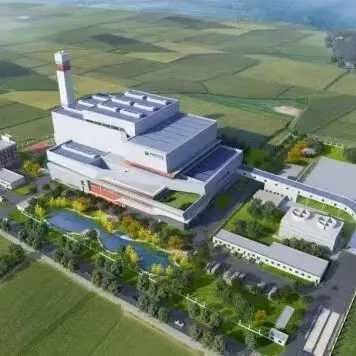
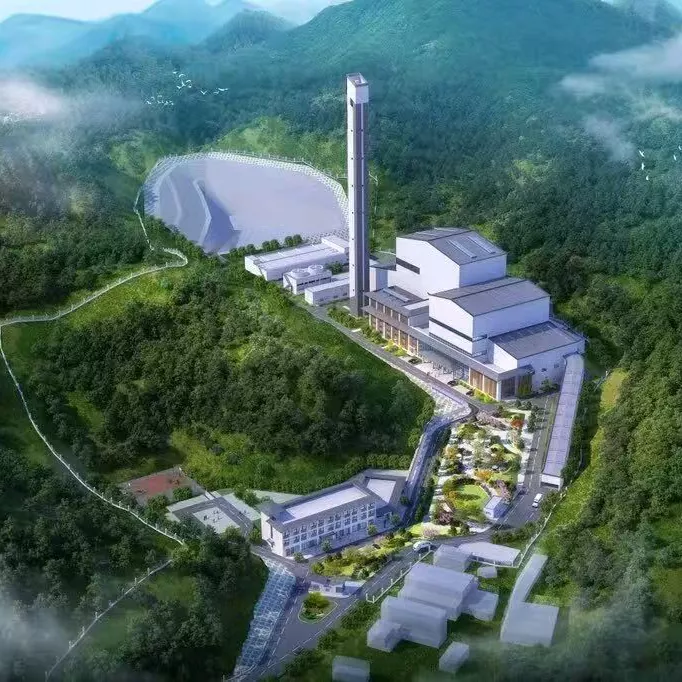
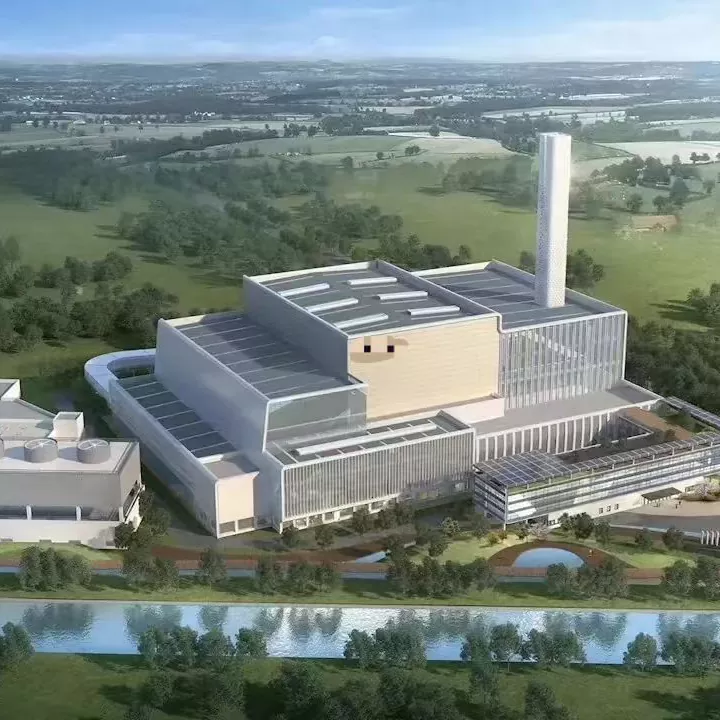
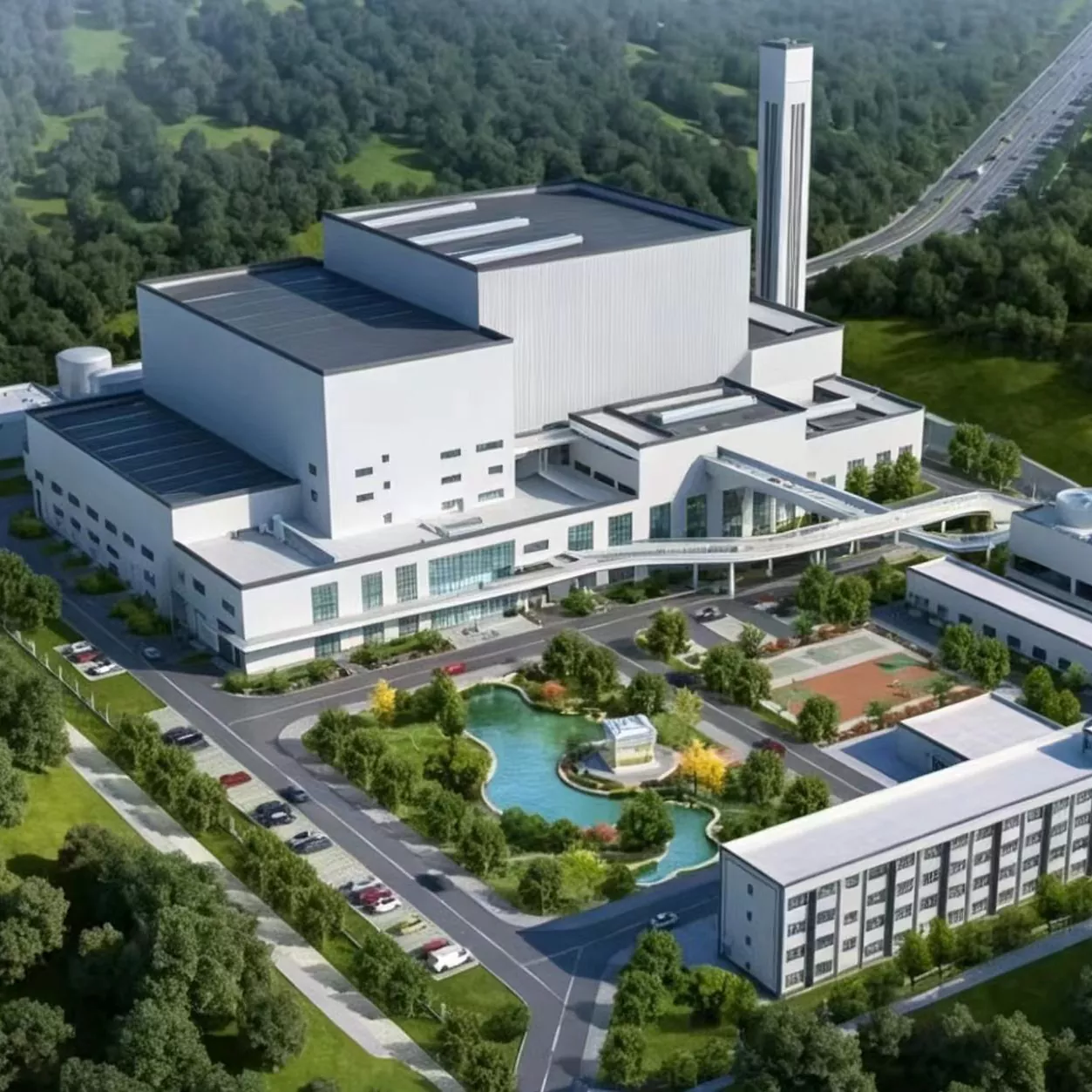
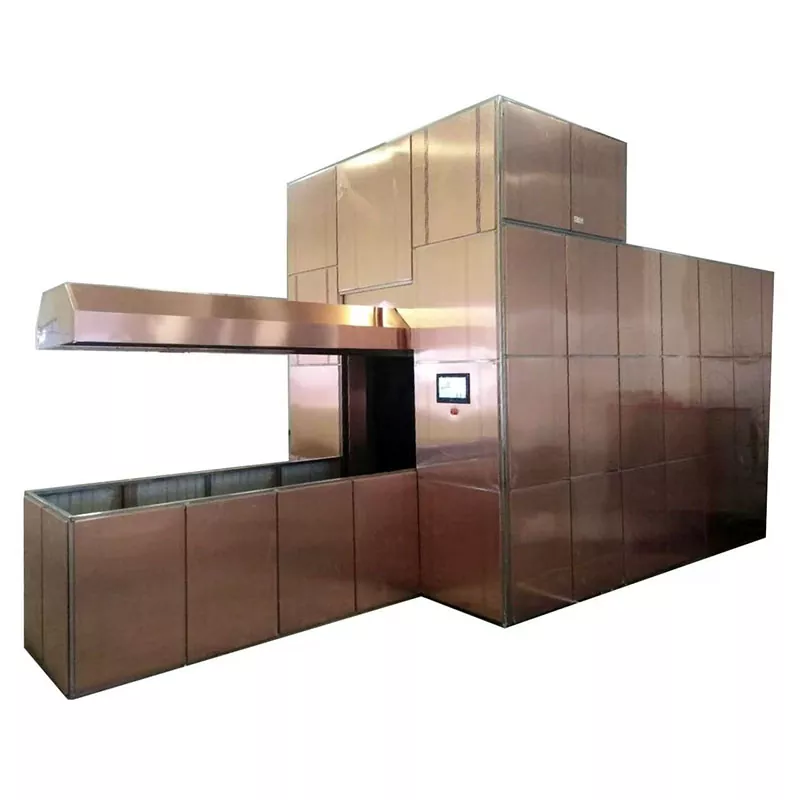
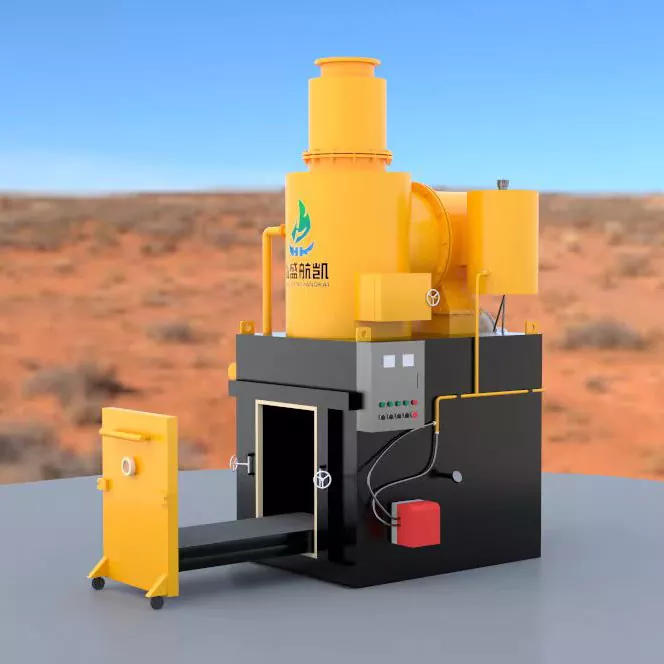
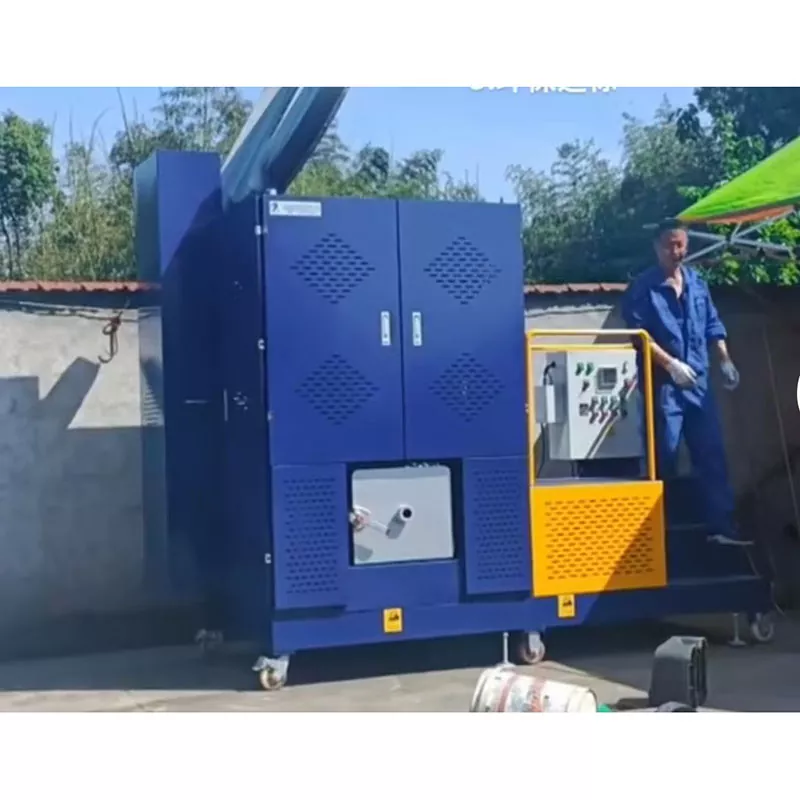
The Hongsheng 200 tons Domestic Waste Incinerator is a high-efficiency solution for the safe and eco-friendly treatment of domestic waste in small to medium-sized cities, industrial parks, townships, and island regions. Designed to handle 200 tons of waste per day, this advanced incinerator ensures harmless treatment, volume reduction, and resource recovery of urban domestic waste, general combustible refuse, and select industrial solid waste.

The 200 tons Domestic Waste Incinerator is a piece of equipment designed for the harmless treatment of domestic waste in small to medium-sized cities, industrial parks, townships, and island regions. Utilizing a high-temperature incineration process, this equipment facilitates the volume reduction, harmless treatment, and resource recovery of urban domestic waste, select industrial solid waste, and general combustible refuse. The complete system typically comprises a waste storage system, a feeding system, the incinerator main body, a flue gas purification system, a waste heat recovery system, and an automatic control system.


With a daily processing capacity of approximately 200 tons, the equipment is capable of continuous and stable operation. Incineration temperatures are typically maintained above 850°C, effectively decomposing hazardous substances and minimizing the emission of pollutants such as dioxins. Following incineration, the volume of the waste is reduced by over 80%, and its weight by over 70%, thereby significantly alleviating the pressure on landfill sites.

200 tons Domestic Waste Incinerator Key Features of the Equipment

1. High Processing Efficiency

Capable of operating continuously for 24 hours, the equipment processes 200 tons of domestic waste daily, making it well-suited to meet the waste treatment requirements of small to medium-sized urban areas.


2. Significant Volume Reduction

After incineration, only a small quantity of bottom ash and fly ash remains, resulting in a substantial reduction in waste accumulation and land occupation.


3. Stable Environmental Performance

Equipped with a comprehensive flue gas purification system—including acid removal, dust removal, and activated carbon adsorption units—the system effectively minimizes the emission of particulate matter, harmful gases, and odors.


4. Energy Recovery and Utilization

The high-temperature flue gas generated during incineration can be utilized for steam-based power generation, district heating, or industrial thermal energy applications, thereby achieving the resource recovery of waste.


5. High Degree of Automation

Incorporating a PLC-based automatic control system, the equipment enables automated feeding, temperature monitoring, and operational control, thereby reducing labor costs.


6. Strong Adaptability

Capable of processing urban domestic waste characterized by high moisture content and complex compositions, the system is ideally suited to the specific conditions of developing countries where waste classification systems may not yet be fully established.

Key Technical Parameters of the 200 tons Domestic Waste Incinerator (Reference)

Item | Parameter

Daily Processing Capacity | 200 tons/day

Incineration Temperature | ≥850°C

Incineration Method | Mechanical Grate / Rotary Kiln (Optional)

Operation Mode | Continuous Operation

Control System | PLC Automatic Control

Flue Gas Treatment | Baghouse Filtration + Acid Removal + Activated Carbon

Volume Reduction Rate | 80%–90%

Thermal Energy Utilization | Power Generation / District Heating (Optional)

Advantages of Using Waste Incinerators in Developing Countries

1. Solving the "Waste Encirclement" Problem

Many cities in developing countries are experiencing rapid population growth but lack adequate waste management infrastructure. Consequently, large quantities of waste are left in open-air piles for extended periods, leading to environmental pollution and the spread of disease. Waste incinerators enable the rapid processing of large volumes of municipal solid waste, thereby alleviating the problem of urban waste accumulation.


2. Conserving Land Resources

Traditional landfilling requires vast tracts of land—a resource that is often scarce in the cities of developing countries. Since incineration significantly reduces waste volume, it can substantially decrease the land area required for landfills as well as their construction costs.


3. Improving Urban Sanitation 

Open-air waste piles attract pests, generate foul odors, and contaminate groundwater. Incineration provides a method for the harmless disposal of waste, helping to elevate urban sanitation standards and improve the living environment for residents.


4. Generating Economic Value Through Power Generation

The thermal energy generated during the waste incineration process can be utilized for electricity generation or industrial heating. This helps certain regions alleviate power shortages and realizes the concept of "waste-to-energy."


5. Reducing Long-Term Disposal Costs

Although the initial investment for waste incinerators is relatively high, long-term operations result in reduced costs associated with landfill construction, waste transportation, and environmental remediation. Consequently, the overall economic benefits are substantial.


6. Suitability for Regions with Imperfect Waste Sorting Systems

Many developing countries have not yet established comprehensive waste sorting systems. However, municipal waste incinerators possess a strong capacity to handle mixed waste, allowing them to directly process the majority of urban household waste.


7. Promoting the Upgrading of the Environmental Protection Industry

The construction of waste incineration projects stimulates the development of related industries—such as environmental equipment manufacturing, power generation, construction, and operations and maintenance—thereby fostering local industrial growth and job creation.

200 tons Domestic Waste Incinerator Applicable Scenarios

The 200 tons Domestic Waste Incinerator  is suitable for:

Municipal solid waste treatment in small and medium-sized cities

Solid waste treatment in industrial parks

Waste management on islands and in remote regions

Cooperative waste treatment for hospitals and specialized zones

Municipal environmental protection projects in developing countries

BOT/PPP waste-to-energy projects

200 tons Domestic Waste Incinerator Conclusion

As the pace of global urbanization accelerates, waste management has emerged as a critical environmental challenge facing developing nations. With its advantages—including high processing efficiency, minimal land footprint, stable environmental performance, and resource recovery capabilities—the 200-ton municipal solid waste incinerator is becoming a key solution for urban waste management in many countries. Looking ahead, as environmental standards rise and energy demands grow, waste incineration technology is poised to enjoy broad prospects for development within the developing world.

Hot Tags: 200 tons Domestic Waste Incinerator
Send Inquiry
Contact Info
Welcome to our website! For inquiries about our products or pricelist, please leave your email to us and we will be in touch within 24 hours.
X
We use cookies to offer you a better browsing experience, analyze site traffic and personalize content. By using this site, you agree to our use of cookies. Privacy Policy
Reject Accept